Des Moines, WA · King County
Antimicrobial Treatment Services in Des Moines, WACrawl Space Antimicrobial Treatment & Bathroom Mold Treatment
Antimicrobial Treatment Services in Des Moines include emergency sewage sanitization, kitchen surface disinfection and post flood disinfection services after sewage or flooding.
Answered 24/7
Professional Antimicrobial Treatment Services in Des Moines, WA
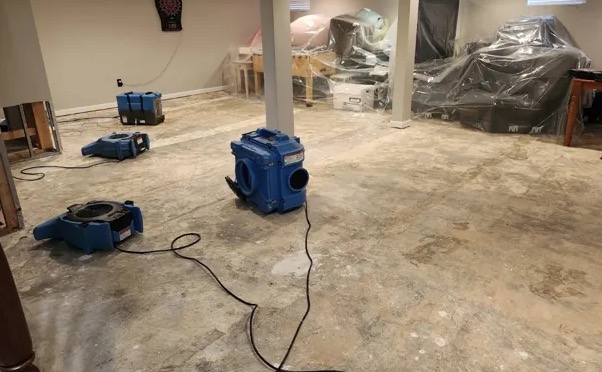
In Des Moines, antimicrobial treatment is a finishing step after water damage, not a shortcut. It works on clean, dry surfaces and helps slow microbial growth on framing, subfloor and concrete that can be kept.
Property owners in Des Moines can call (253) 313-7886 to schedule treatment after a leak or flood, or day or night after a sewage backup. Service also covers SeaTac, Kent and Tukwila.
Antimicrobial Treatment Services Options for Des Moines Properties
Crawl Space Antimicrobial Treatment
Treatment in a crawl space lasts longer with the moisture source fixed and a vapor barrier in good shape on the ground.
Bathroom Mold Treatment
Treatment works only if the moisture source is stopped. Leaking fixtures and poor exhaust ventilation are pointed out so the problem does not return.
Kitchen Surface Disinfection
Countertops and cabinet interiors that touched dirty water are washed and treated with a disinfectant that is labeled safe for food-prep surfaces.
Basement Mold Prevention Treatment
After water is pumped out and the basement dried, an antimicrobial is applied to lower walls, framing and the slab where water sat.
Mold Remediation Antimicrobial Treatment
Remaining studs, joists and sheathing are cleaned, then coated with an antimicrobial so leftover spores have a harder time taking hold again.
Warning Signs You Need Antimicrobial Treatment Services
Poor Airflow From HVAC Vents
A musty smell from vents or weak airflow can mean moisture reached the ductwork or air handler.
Sewage or Dirty Water Contact
Any surface touched by sewage or floodwater needs cleaning and disinfection, not just drying.
Peeling Paint or Warped Drywall
Bubbling paint, soft drywall or warped trim show water got into the material, which may need removal before treatment.
Recurring Mold After Cleaning
Spots that come back after cleaning usually mean the material is still wet inside or the leak was never fixed.
How Antimicrobial Treatment Services Work in Des Moines
Step 1: Inspection and Moisture Check
The pros find the source of the water, check moisture levels and decide which materials can stay.
Step 2: Containment and Material Removal
Work areas are sealed with plastic, and soaked drywall, carpet and pad that cannot be saved are removed.
Step 3: Cleaning and Antimicrobial Application
Remaining surfaces are cleaned, then an EPA-registered antimicrobial is sprayed or wiped onto wood and concrete.
Step 4: Drying Check and Final Cleaning
Moisture readings confirm the area is dry, and dust and debris are cleaned up before rebuilding.
What Leads to Antimicrobial Treatment Services in Des Moines
Condensation on Cold Surfaces
Warm, humid air condensing on cold pipes, ducts and windows keeps nearby surfaces wet.
Poorly Maintained HVAC Systems
A clogged condensate drain or dirty coil can keep the air handler and nearby ductwork wet.
High Indoor Humidity Levels
Constant high humidity keeps materials damp enough for mold, even without a single large leak.
Storm Flooding and Natural Disasters
Floodwater carries soil and contaminants into walls, floors and anything it reaches.
Both Residential & Commercial Antimicrobial Treatment Services in Des Moines
Residential Antimicrobial Treatment Services
At home, treatment usually follows a sewage backup, a flooded floor or a leak found inside a wall. Kitchens, bathrooms and crawl spaces are the most common areas treated after drying.
Commercial Antimicrobial Treatment Services
In offices, restaurants and stores, treatment is planned around business hours where possible. Surfaces used by staff and customers are cleaned and disinfected before the space reopens.
When DIY Fails: Antimicrobial Treatment Services in Des Moines
Running a dehumidifier and fixing a leaky fixture are good DIY steps. If a musty smell remains after a week, there is likely hidden moisture that needs to be found with meters.
Understanding Antimicrobial Treatment Services Expenses in Des Moines
Pricing for antimicrobial treatment services in Des Moines is set after an inspection. The pros check moisture, look at the damage and explain what will be treated before starting.
Affected Square Footage
Larger treated areas need more product, more cleaning time and more labor.
Odor Elimination Needs
Lingering odor may need extra cleaning or deodorizing steps beyond the antimicrobial.
Material and Agent Selection
The product chosen depends on the surface and the type of contamination, which affects cost.
Does Insurance Cover Antimicrobial Treatment Services?
Sewage backup coverage is often an add-on to a homeowner policy. Check whether you have it before cleanup begins, so you know how the claim will be handled.
Value of Local Pros for Antimicrobial Treatment Services in Des Moines
Surface and Air Treatment
Hard surfaces are cleaned and disinfected, and air scrubbers can be used while work is under way.
Targeted Treatment Plans
Treatment is limited to the areas that were wet or contaminated, based on moisture readings.
Focus on Mold Prevention
Treatment is paired with fixing the moisture source, so mold is less likely to return.
Urgent Antimicrobial Treatment Services for Des Moines Properties
Night, weekend or holiday, local water damage pros handle sewage and contaminated water cleanup in Des Moines. Call (253) 313-7886 to get the cleanup and disinfection started.
Call Now (253) 313-7886Antimicrobial Treatment Services Available Throughout King County
Besides Des Moines, local water damage pros handle cleaning, disinfection and antimicrobial treatment in nearby SeaTac, Kent and Tukwila.
- Antimicrobial Treatment Services in SeaTac
- Antimicrobial Treatment Services in Kent
- Antimicrobial Treatment Services in Tukwila
- Antimicrobial Treatment Services in Burien
- Antimicrobial Treatment Services in Federal Way
- Antimicrobial Treatment Services in Auburn
- Antimicrobial Treatment Services in Vashon
- Antimicrobial Treatment Services in Renton
- Emergency Damage Restoration in 98198
- Storm Damage Restoration in 98198
- Water Damage Restoration in 98198
- Water Extraction Service in 98198
- Water Leak Detection in 98198
- Water Removal Service in 98198
Answers to Top Antimicrobial Treatment Services Questions
How do I know if I need mold remediation antimicrobial treatment?
If framing or subfloor stayed wet for days, shows dark spots after drywall removal or smells musty, it likely needs cleaning and treatment after drying.
What is included in a standard antimicrobial treatment service?
Removing materials that cannot be saved, drying the area, cleaning remaining surfaces and applying an EPA-registered antimicrobial to wood, concrete and other hard materials.
How soon after a flood should post flood disinfection begin?
Right after the water is removed and soaked materials are taken out. Surfaces are cleaned first, then disinfected and dried.
Does antimicrobial treatment replace drying?
No. Treatment only works on clean, dry surfaces. Water must be removed and materials dried before any product is applied.
What is the difference between disinfecting and sanitizing surfaces?
Sanitizing lowers germs on a surface. Disinfecting kills a wider range of germs as listed on the product label. Sewage cleanup calls for disinfection.