Graham, WA · Pierce County
Attic Water Extraction in Graham, WACeiling Water Damage Cleanup & Emergency Attic Water Extraction
Attic Water Extraction in Graham covers attic leak water cleanup, wet attic insulation removal and attic drying services.
Answered 24/7
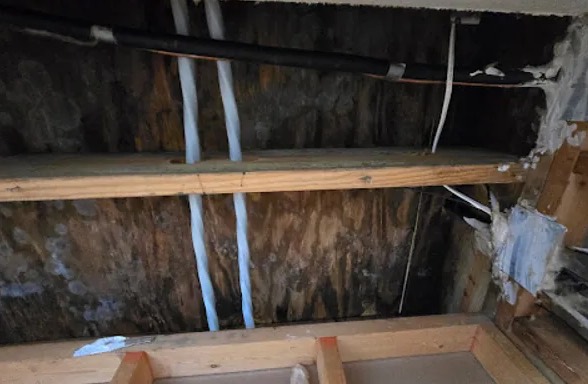
Attic Water Extraction Response in Graham
Water in an attic has only one place to go: down through the ceiling. In Graham, a roof leak, a burst attic pipe or an overflowing AC pan can put water on top of the ceiling drywall, where it soaks in and starts to sag.
A storm in Graham can push water into an attic in one night. Local water damage pros serve Graham and nearby Elk Plain, Orting and Frederickson, with extraction available around the clock.
Key Attic Water Extraction Steps in Graham, WA
Ceiling Water Damage Cleanup
The ceiling under a wet attic is checked with a meter. Damp drywall may dry in place, while sagging drywall is drained and removed.
Emergency Attic Water Extraction
When rain or a burst attic pipe floods the attic floor, water is vacuumed off the decking and drywall tops before it soaks through to the rooms below.
Wet Attic Insulation Removal
Soaked insulation holds water like a sponge and keeps the ceiling below wet. It is bagged and removed so the area underneath can dry.
Attic Mold Prevention
Drying the attic quickly is the main way to limit mold on wood. Treatment is added for areas that were wet for days.
Attic Leak Water Cleanup
Water from a roof or plumbing leak usually runs along rafters before it drips. Cleanup follows that path and removes water wherever it pooled.
Indicators of Attic Water Damage in Graham
Water Dripping From Light Fixtures
Water dripping from a ceiling light or fan is a sign of an active leak above. Turn off that circuit.
Damp Attic Insulation
Insulation that feels damp, looks matted or has dark patches has been soaking up water.
Insect Infestations in Attic
Wet wood draws insects, so new activity in the attic can be a sign of an ongoing leak.
Sagging or Bulging Ceilings
A ceiling that bulges or droops is holding water and can fall. Keep people out of the room below.
How Attic Water Extraction Works in Graham
Step 1: Safety Assessment and Water Containment
Wet fixtures are shut off, the room below is protected and buckets catch active drips.
Step 2: Bulk Water Extraction
Wet vacs and pumps remove standing water from between joists and on top of the drywall.
Step 3: Targeted Drying of Affected Materials
Airflow is aimed at the wettest wood and drywall, and equipment is moved as areas dry.
Step 4: Documentation for Restoration
Photos, readings and a list of removed materials are prepared for insurance and repairs.
Frequent Sources of Attic Leaks in Graham
Aging or Deteriorated Roofing Materials
Old, curled or cracked shingles and worn underlayment let water through during heavy rain.
Gutter and Downspout Blockages
Clogged gutters and downspouts let water back up under the roof edge.
Attic Appliance Malfunction
Water heaters, humidifiers and other attic equipment can fail and leak with no warning.
Plumbing Leaks in Attic
Supply lines and water heaters in the attic can leak or burst onto the ceiling below.
Attic Water Extraction for Homes and Businesses in Graham
Residential Attic Water Extraction
In two-story homes, attic leaks can reach upstairs ceilings and run down into walls. Each wet area is checked with a meter and dried.
Commercial Attic Water Extraction
Flat-roof buildings often have leaks that travel far before they drip. The water path above the ceiling is traced so no wet section is missed.
Why DIY Attic Water Extraction Often Fails in Graham
If it is safe, you can look into the attic with a flashlight to find the wet area. Removing water and insulation from between joists takes boards, protective gear and drying equipment.
Evaluating Attic Water Extraction Expenses in Graham
In Graham, insulation removal and replacement are often the largest part of an attic job, along with drying equipment and ceiling repair.
Extent of Water Damage
More water and a larger wet area mean more extraction time and more drying equipment.
Material Removal Needs
Wet insulation and ceiling drywall that must be removed add labor and disposal costs.
Required Drying Time
Dense framing and decking can take several days to dry, adding equipment time.
Does Insurance Cover Attic Water Extraction?
Coverage for attic water extraction depends on the cause of the leak and your policy. The pros record the damage and drying, and your insurer decides the rest.
Why Choose Local Pros for Attic Water Extraction in Graham
Advanced Moisture Detection
Moisture meters and thermal cameras find wet insulation and wood that look dry.
Ceiling Damage Mitigation
Sagging ceilings are drained and removed safely before they can fall into the room.
Industry Extraction Standards
Extraction and drying follow industry water damage standards, with readings at every visit.
24/7 Emergency Attic Water Extraction in Graham
Night, weekend or holiday, local water damage pros handle attic water in Graham. Call (253) 313-7886 to get the water out and the ceiling protected.
Call Now (253) 313-7886Attic Water Extraction Services Throughout Pierce County
Besides Graham, the pros remove attic water, wet insulation and soaked ceilings in nearby Elk Plain, Orting and Frederickson.
- Attic Water Extraction in Elk Plain
- Attic Water Extraction in Orting
- Attic Water Extraction in Frederickson
- Attic Water Extraction in South Hill
- Attic Water Extraction in Spanaway
- Attic Water Extraction in Roy
- Attic Water Extraction in Midland
- Attic Water Extraction in Puyallup
- Emergency Damage Restoration in 98338
- Storm Damage Restoration in 98338
- Water Damage Restoration in 98338
- Water Extraction Service in 98338
- Water Leak Detection in 98338
- Water Removal Service in 98338
Attic Water Extraction FAQs for Graham Homeowners
What happens during ceiling water damage cleanup?
Water in the ceiling is drained, sagging drywall is removed, debris is cleared and the cavity is dried before repairs.
Can wet attic insulation be saved?
Lightly damp areas sometimes dry, but soaked or matted insulation is usually removed and replaced after the attic is dry.
What causes attic water damage?
Roof leaks, attic plumbing failures, overflowing AC drain pans, poor ventilation and bath fans venting into the attic.
Can I remove attic water myself?
Small drips onto plastic can be handled, but pooled water and soaked insulation need safe footing, equipment and drying.
What is involved in professional attic water extraction?
Catching drips, vacuuming pooled water from decking and drywall tops, removing soaked insulation and drying the framing and ceiling below.