DuPont, WA · Pierce County
Attic Water Removal in DuPont, WAWet Attic Insulation Removal & Attic Mold Prevention
Attic Water Removal in DuPont runs from roof leak water removal and wet attic insulation removal to ceiling water damage cleanup.
Answered 24/7
Expert Attic Water Removal for DuPont
Attic Water Removal in DuPont is about protecting the ceiling. Water on top of drywall soaks in and adds weight, and wet insulation keeps it soaking long after the leak stops.
In DuPont, Nisqually, Steilacoom and Lakewood, many attic leaks go unnoticed until the ceiling stains. The pros get the water and wet insulation out before the ceiling has to be replaced.
The Attic Water Removal Process in DuPont
Wet Attic Insulation Removal
Fiberglass batts are lifted out by hand, while wet blown-in insulation is vacuumed with a high-powered insulation vacuum.
Attic Mold Prevention
Fast drying is the main protection. Antimicrobial treatment is added only where framing and decking stayed wet long enough to need it.
Attic Leak Water Cleanup
Cleanup focuses on the low spots where water collects: the bays between joists, the area around the hatch and the space under an air handler.
Ceiling Water Damage Cleanup
Fallen drywall, wet insulation and debris in the room below are cleaned up, and floors and furniture are protected during the work.
Attic Drying Services
Equipment is adjusted daily, moving airflow from areas that are dry to areas that still read wet.
Warning Signs You Need Attic Water Removal
High Utility Bills Unexpectedly
Wet insulation loses its insulating value, so energy bills can rise after an attic leak.
Visible Mold in Attic Spaces
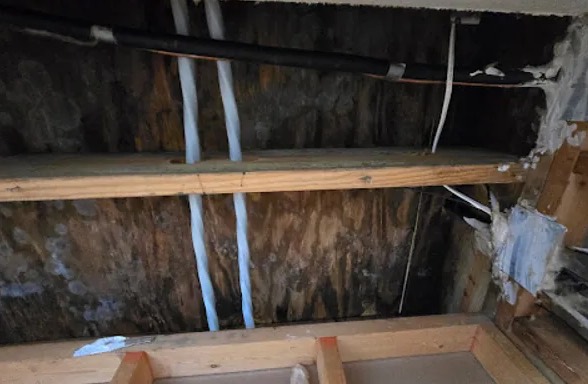
Dark spots on rafters or roof decking mean the wood has stayed damp for days or longer.
Increased Indoor Humidity Levels
Upstairs rooms that feel sticky or humid may have moisture coming down from the attic.
Wet or Damp Attic Insulation
Insulation that feels damp, looks dark or has packed down in one area has absorbed water.
How Attic Water Removal Works in DuPont
Step 1: Initial Attic Water Damage Assessment
The pros check safety, find the source and map the wet area with moisture meters.
Step 2: Bulk Water and Material Removal
Pooled water, soaked insulation and any sagging drywall are removed from the attic and ceiling.
Step 3: Attic Drying and Evaporation
Warm, dry airflow is aimed at wet wood, with dehumidifiers removing the moisture it releases.
Step 4: Attic Mold Prevention
Once dry, decking and framing that stayed wet can be cleaned and treated with an antimicrobial.
Why Attics Develop Water Damage
Burst or Leaking Plumbing Pipes
Supply lines and drain pipes in the attic can crack or burst onto the ceiling.
Appliance Malfunctions Like Water Heater Leaks
Water heaters located in the attic can leak or fail, flooding the attic floor.
Overflow From Clogged Bathroom Exhaust Ducts
Bathroom fan ducts that are loose or vented into the attic release moisture onto the wood.
Storm Damage From High Winds or Hail
High winds and hail can damage shingles and open the roof to rain during a storm.
Home and Business Attic Water Removal Solutions
Residential Attic Water Removal
In townhomes and condos, a shared attic can carry water into a neighbor's ceiling. Clear photos and readings help sort out repairs with the association.
Commercial Attic Water Removal
Property managers get records for each affected suite or unit, which helps with roof repair planning and insurance claims.
Attic Water Removal vs. DIY: When to Call the Pros
A roof repair stops new water from getting in, but the wet insulation and decking stay wet. After the repair, have the attic checked for remaining moisture.
Factors Influencing Attic Water Removal Cost
In DuPont, the biggest costs in attic jobs are usually insulation removal, drying equipment days and ceiling repair in the room below.
Secondary Damage Repairs
Ceiling drywall replacement and paint in the room below add to the total.
Type of Insulation Affected
Blown-in insulation takes more time to remove than batts, and both add disposal costs.
Drying Time Required
Dense wood framing can take several days to dry, which adds equipment time.
Does Insurance Cover Attic Water Removal?
Photograph the attic, the ceiling and any roof damage before cleanup, and keep receipts for tarping and emergency water removal.
Benefits of Local Pros for Attic Water Removal
Damage Documentation
Photos, readings and a list of removed materials are kept for insurance.
Dehumidification Equipment
Dehumidifiers sized for the attic remove moisture much faster than roof vents and open hatches alone.
Mold Inhibitor Application
Wood that stayed wet can be treated with an antimicrobial after it is dried.
24/7 Emergency Attic Water Removal in DuPont
If water is dripping from a light fixture, shut off that circuit at the panel and keep clear. Then call (253) 313-7886 for help in DuPont.
Call Now (253) 313-7886Nearby Towns for Attic Water Removal from DuPont
Help with attic water removal reaches Nisqually, Steilacoom and Lakewood, plus other communities around DuPont, for one-story and two-story homes alike.
- Attic Water Removal in Nisqually
- Attic Water Removal in Steilacoom
- Attic Water Removal in Lakewood
- Attic Water Removal in Tanglewilde
- Attic Water Removal in Roy
- Attic Water Removal in University Place
- Attic Water Removal in Lacey
- Attic Water Removal in Parkland
- Emergency Damage Restoration in 98327
- Storm Damage Restoration in 98327
- Water Damage Restoration in 98327
- Water Extraction Service in 98327
- Water Leak Detection in 98327
- Water Removal Service in 98327
Attic Water Removal Questions and Answers
Why is emergency attic drying important?
Wet wood and drywall break down quickly. Drying fast saves more of the ceiling and lowers the risk of microbial growth.
How can mold be prevented after attic water removal?
By drying wood quickly, fixing ventilation problems and treating framing that stayed wet with an antimicrobial.
Can I remove attic water myself?
Only small amounts that are easy to reach safely. Pooled water and soaked insulation need safe footing and drying equipment.
How long does attic drying take?
Often several days, depending on how wet the wood is, the attic temperature and how much insulation was removed.
What equipment is used for attic water extraction?
Wet vacs, pumps, air movers, dehumidifiers, moisture meters and thermal cameras, plus vacuums for wet insulation.