Prairie Ridge, WA · Pierce County
Attic Water Removal in Prairie Ridge, WAAttic Drying Services & Wet Attic Insulation Removal
Attic Water Removal in Prairie Ridge covers attic leak water cleanup, roof leak water removal and wet attic insulation removal.
Answered 24/7
Professional Attic Water Removal in Prairie Ridge, WA
An attic leak is easy to miss and expensive to ignore. In Prairie Ridge, water from a roof, pipe or AC pan can soak insulation and decking for weeks, then show up all at once as a stained or sagging ceiling.
Homes in Prairie Ridge and nearby South Prairie, Bonney Lake and Orting often have AC units, ducts and plumbing in the attic, as well as insulation. The pros handle water from any of those sources, plus roof leaks after storms.
Attic Water Removal Services in Prairie Ridge
Attic Drying Services
Equipment is adjusted daily, moving airflow from areas that are dry to areas that still read wet.
Wet Attic Insulation Removal
Fiberglass batts are lifted out by hand, while wet blown-in insulation is vacuumed with a high-powered insulation vacuum.
Roof Leak Water Removal
The entry point is photographed and marked, which helps both the roofer and your insurance adjuster.
Attic Leak Water Cleanup
Water-stained debris, wet cardboard and soaked stored items are cleared out so the attic floor can be dried.
Emergency Attic Water Extraction
Emergency extraction starts with buckets and containment under active drips, then moves to pulling pooled water off the attic floor.
When to Consider Attic Water Removal in Prairie Ridge
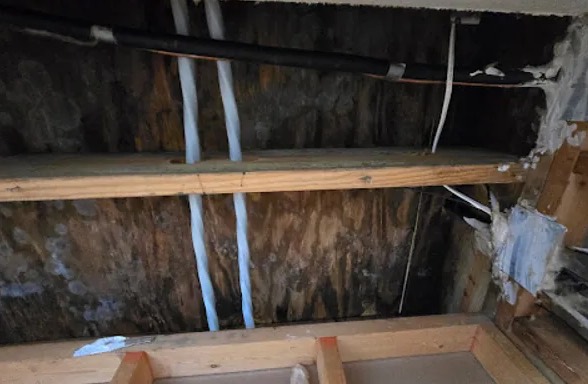
Rotting Wood on Attic Beams
Soft, dark or crumbling wood on rafters and beams points to long-term moisture.
Increased Indoor Humidity Levels
Upstairs rooms that feel sticky or humid may have moisture coming down from the attic.
Water Stains on Ceiling
A brown ring or yellow patch on an upstairs ceiling usually means water is sitting on the drywall from the attic.
Wet or Damp Attic Insulation
Insulation that feels damp, looks dark or has packed down in one area has absorbed water.
How Attic Water Removal Works in Prairie Ridge
Step 1: Initial Attic Water Damage Assessment
The pros check safety, find the source and map the wet area with moisture meters.
Step 2: Bulk Water and Material Removal
Pooled water, soaked insulation and any sagging drywall are removed from the attic and ceiling.
Step 3: Attic Drying and Evaporation
Warm, dry airflow is aimed at wet wood, with dehumidifiers removing the moisture it releases.
Step 4: Attic Mold Prevention
Once dry, decking and framing that stayed wet can be cleaned and treated with an antimicrobial.
Typical Sources of Attic Water Damage
Storm Damage From High Winds or Hail
High winds and hail can damage shingles and open the roof to rain during a storm.
Overflow From Clogged Bathroom Exhaust Ducts
Bathroom fan ducts that are loose or vented into the attic release moisture onto the wood.
Appliance Malfunctions Like Water Heater Leaks
Water heaters located in the attic can leak or fail, flooding the attic floor.
Flashing Failures Around Roof Penetrations
Failed flashing around vents, chimneys and skylights lets rain run into the attic.
Both Residential & Commercial Attic Water Removal
Residential Attic Water Removal
In houses, attic water usually reaches a bedroom or hallway ceiling. Water and wet insulation are removed from above, and the ceiling below is dried or replaced.
Commercial Attic Water Removal
In commercial buildings, water above a drop ceiling soaks tiles and insulation over several rooms. Wet tiles are removed and the plenum space above is dried.
Attic Water Removal vs. DIY: When to Call the Pros
If the ceiling is bulging, keep people out of the room and place a bucket nearby. Local water extraction specialists can drain and remove it in a controlled way.
Factors Influencing Attic Water Removal Cost
Roof or plumbing repair is billed separately from water removal and drying. In Prairie Ridge, both are needed after most attic leaks.
Mold Prevention Measures
Antimicrobial treatment of wood that stayed wet is an added step, priced by area.
Emergency Service Timing
Storm, night and holiday calls can cost more than a scheduled visit.
Water Contamination Level
Clean rainwater is simpler to handle than water from a drain line or other dirty source.
Does Insurance Cover Attic Water Removal?
Insurers often ask what caused the leak and how long it ran. Notes on the entry point and roof condition help answer those questions.
Advantages of Hiring Local Pros for Attic Water Removal in Prairie Ridge
Structural Drying Focus
Rafters, decking and the ceiling are dried, not just the spot under the drip.
Mold Inhibitor Application
Wood that stayed wet can be treated with an antimicrobial after it is dried.
Dehumidification Equipment
Dehumidifiers sized for the attic remove moisture much faster than roof vents and open hatches alone.
Round-the-Clock Attic Water Removal for Prairie Ridge
If water is dripping from a light fixture, shut off that circuit at the panel and keep clear. Then call (253) 313-7886 for help in Prairie Ridge.
Call Now (253) 313-7886Local Attic Water Removal Coverage Area
Need attic water removal outside Prairie Ridge? Service also covers South Prairie, Bonney Lake and Orting, including emergency help after storms.
Attic Water Removal Questions and Answers
What is involved in attic water removal?
Stopping the source, removing pooled water, bagging wet insulation, drying the framing and decking, and checking the ceiling below.
Will attic water damage cause mold?
It can if wood and insulation stay wet for days. Fast removal and drying are the main ways to prevent mold.
What are attic dehumidification services?
Dehumidifiers placed in the attic pull moisture from the air and wood, speeding drying after a leak.
Why is emergency attic drying important?
Wet wood and drywall break down quickly. Drying fast saves more of the ceiling and lowers the risk of microbial growth.
What should I do while waiting for attic leak water cleanup?
Catch drips, move belongings, stay out from under sagging ceilings and turn off power to wet light fixtures.