Des Moines, WA · King County
Basement Water Damage Restoration in Des Moines, WAEmergency Basement Flood Cleanup & Basement Wall Drying
Basement Water Damage Restoration in Des Moines includes emergency basement flood cleanup, basement sewer backup cleanup and basement wall drying.
Answered 24/7
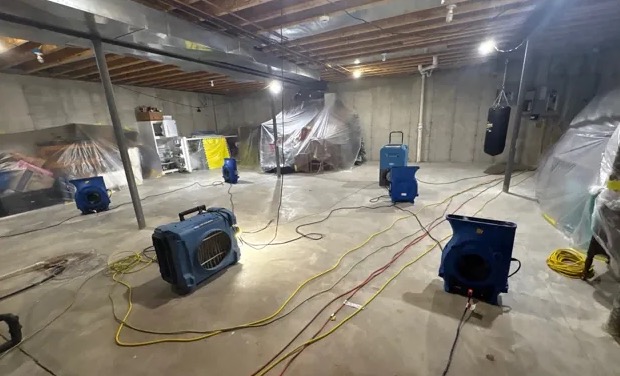
Expert Basement Water Damage Restoration Serving Des Moines
In Des Moines, a damp, musty basement or lower room often means water damage that was never fully dried. Old leaks can leave moisture in walls and under flooring long after the water is gone.
Homeowners in Des Moines can call (253) 313-7886 day or night when water is rising in the basement. Service also covers SeaTac, Kent and Tukwila, with the same pumping and drying steps.
Basement Water Damage Restoration Services in Des Moines
Emergency Basement Flood Cleanup
A flooded basement can damage furnaces, water heaters and stored items quickly. Fast pumping limits how much is lost.
Basement Wall Drying
Wet drywall is cut back above the water line when it is soaked, and the wall cavity and insulation behind it are dried or replaced.
Basement Floor Water Removal
Water on a concrete floor is squeegeed and extracted, and floor coverings such as carpet, vinyl or laminate are lifted to dry the slab.
Basement Sewer Backup Cleanup
Sewage that backs up through a floor drain or toilet is extracted with protective gear, and the area is contained from the rest of the house.
Basement Dehumidification
Dehumidification continues until humidity and material readings are normal. Turning it off too early lets moisture return.
Signs of Basement Water Damage in Des Moines
Wet or Stained Basement Walls
Dark, wet patches or tide lines on basement walls show where water seeped in or wicked up.
High Humidity Levels Below-Grade
A basement that stays damp and clammy even on dry days has a moisture source that needs attention.
Damp or Musty Odors
A damp, earthy or musty smell in the basement often means hidden moisture in walls, carpet or the slab.
Mold on Surfaces
Dark spots on drywall, framing or stored boxes mean the area has stayed wet for days.
How Basement Water Damage Restoration Works in Des Moines
Step 1: Floodwater Pump-Out
Submersible pumps remove deep water, and electrical hazards are checked before anyone walks in it.
Step 2: Deep Moisture Extraction
Extractors pull water from carpet, pad and the concrete floor after the deep water is gone.
Step 3: Air Circulation and Drying
Air movers keep dry air moving across walls and floors throughout the basement.
Step 4: Dehumidification and Verification
Dehumidifiers run until humidity and material readings confirm the basement is dry.
What Causes Basement Water Damage Restoration in Des Moines
Failed or Clogged Drain Tile
Clogged or collapsed drain tile around the foundation lets water build up against the walls.
Faulty Basement Waterproofing
Old or failed waterproofing on foundation walls lets water through during wet weather.
Sump Pump Mechanical Failure
A sump pump that fails, loses power or is too small lets groundwater rise into the basement.
High Water Table and Hydrostatic Pressure
A high water table pushes groundwater up through the slab and into the joints between wall and floor.
Residential and Commercial Basement Water Damage Restoration in Des Moines
Residential Basement Water Damage Restoration
Finished basements used as living space need carpet, pad and lower drywall checked carefully. Soaked materials are removed so the walls and slab can dry.
Commercial Basement Water Damage Restoration
Businesses with below-grade storage need inventory moved out of the water quickly. Wet stock is separated and documented for insurance.
When to DIY and When to Call the Pros for Basement Water Damage Restoration
If a small leak left a puddle on bare concrete, a wet vac and a dehumidifier may be enough. Call local water removal pros if water reached drywall, carpet or framing, or if it came from a sewer drain.
Basement Water Damage Restoration Cost in Des Moines, WA
Sewage cleanup, finished walls, storm-night calls and damaged appliances all add to the total for basement water damage restoration in Des Moines.
Material Saturation
Finished basements with carpet, drywall and insulation take more removal work than bare concrete.
Access Complexity
Narrow stairs, low ceilings and stored contents can make the work slower.
Secondary Damage
Damage to furnaces, water heaters and belongings adds repair and replacement costs.
Does Insurance Cover Basement Water Damage Restoration?
Many homeowner policies cover sudden basement water from a burst pipe, but not seepage or groundwater. Sewer backup coverage is often a separate add-on, so check your policy.
Why Choose Local Pros for Basement Water Damage Restoration in Des Moines
Structural Integrity Assessment
Walls, stairs and framing are checked for damage before work begins in the basement.
Detailed Documentation
Photos, readings and drying logs are kept to support your insurance claim.
Water Extraction First
Water is removed from floors, carpet and pad before drying starts, which shortens drying time.
24/7 Emergency Basement Water Damage Restoration in Des Moines
Storm night, weekend or holiday, local water removal pros handle flooded basements in Des Moines. Call (253) 313-7886 to get the pumps running and the water out.
Call Now (253) 313-7886Basement Water Damage Restoration Serving Des Moines, SeaTac, Kent and Tukwila
Basement water removal and drying also cover homes and buildings in SeaTac, Kent and Tukwila, close to Des Moines, day or night.
- Basement Water Damage Restoration in SeaTac
- Basement Water Damage Restoration in Kent
- Basement Water Damage Restoration in Tukwila
- Basement Water Damage Restoration in Burien
- Basement Water Damage Restoration in Federal Way
- Basement Water Damage Restoration in Auburn
- Basement Water Damage Restoration in Vashon
- Basement Water Damage Restoration in Renton
- Emergency Damage Restoration in 98198
- Storm Damage Restoration in 98198
- Water Damage Restoration in 98198
- Water Extraction Service in 98198
- Water Leak Detection in 98198
- Water Removal Service in 98198
FAQ for Basement Water Damage Restoration in Des Moines
What causes the most common below-grade leaks in homes?
Sump pump failures, foundation cracks, clogged drain tile, sewer backups and burst pipes in the basement ceiling.
What are signs of hidden moisture after below-grade water extraction?
Musty smells, tide lines on walls, damp carpet edges and moisture readings that stay high in walls or the slab.
How long does below-grade drying take after a flood?
Often several days or longer, since concrete and cool basement air dry slowly. Daily readings show progress.
Does basement mold prevention need special steps after flooding?
Fast drying is the main step. Wood and concrete that stayed wet can be treated with an antimicrobial once dry.
How soon should I call for basement water extraction after a leak?
Right away. Water wicks up drywall and soaks framing within hours, and below-grade spaces are slow to dry.