Prairie Ridge, WA · Pierce County
Basement Water Removal in Prairie Ridge, WAEmergency Basement Flooding & Sump Pump Failure Water Cleanup
Basement Water Removal in Prairie Ridge covers basement water pump out, basement wall drying and basement dehumidification after a flood.
Answered 24/7
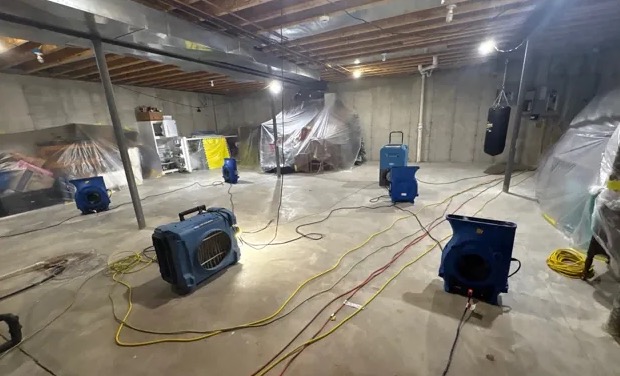
Professional Basement Water Removal in Prairie Ridge, WA
In Prairie Ridge, a burst pipe or heavy rain can let water rise fast in a basement. The water usually spreads from the low point across the whole floor and into finished rooms.
Homeowners in Prairie Ridge can call (253) 313-7886 day or night when the basement is taking on water. Service also covers South Prairie, Bonney Lake and Orting, with the same pumping and drying steps.
Comprehensive Basement Water Removal Solutions
Emergency Basement Flooding
A flooded basement threatens the furnace, water heater and anything stored on the floor. Fast pumping protects what can still be saved.
Sump Pump Failure Water Cleanup
Cleanup after a sump failure includes drying the area around the pit and noting whether the pump, switch or power was the cause.
Basement Dehumidification
Large dehumidifiers pull moisture from basement air, which lets walls, framing and the slab release the water they absorbed.
Basement Wall Drying
Concrete and block walls dry with directed airflow and dehumidification, which pull water out of the masonry.
Basement Moisture Inspection
An inspection shows how high water wicked up the walls and how far it spread under flooring, which sets the drying plan.
Signs of Basement Water Damage in Prairie Ridge
Gurgling Sounds From Drains
Gurgling floor drains or slow drains can be an early sign of a sewer line problem.
Musty Odors and Mold Smell
A musty or damp smell in the basement points to wet materials hidden somewhere in the space.
Mold or Mildew
Dark spots on drywall, framing or stored items mean the area has stayed wet for days.
Efflorescence on Concrete Walls
White, powdery deposits on concrete walls mean water is passing through the masonry.
How Basement Water Removal Works in Prairie Ridge
Step 1: Source Control and Water Pump Out
The leak is shut off and standing water is pumped out, starting at the lowest point.
Step 2: Water Extraction
Extractors pull water from carpet, pad and concrete, and wet vacs clear corners and stairs.
Step 3: Dehumidification and Drying
Large dehumidifiers and air movers dry walls, framing and slab over several days.
Step 4: Inspection and Clearance for Repair
Final readings confirm the basement is dry and ready for drywall and flooring repairs.
Why Basements Flood in Prairie Ridge
Appliance Malfunctions and Overflows
Washers, utility sinks and water softeners in the basement can overflow or leak.
Foundation Cracks and Seepage
Cracks in foundation walls and the slab let groundwater seep in during wet weather.
Window Well Leaks and Drainage
Window wells without drains or covers fill with rain and leak through the windows.
High Water Table and Hydrostatic Pressure
A high water table presses groundwater against the slab and walls, forcing it inside.
Basement Water Removal for Homes and Businesses
Residential Basement Water Removal
In homes, a wet basement often means damaged carpet, drywall and stored belongings, plus a furnace or water heater sitting in water. Water is pumped out and the space dried.
Commercial Basement Water Removal
In commercial buildings, basements often house mechanical rooms and storage. Water is removed quickly so systems can be checked and restarted safely.
When to Hire Local Pros for Basement Water Removal
Do not step into basement water if cords, outlets or appliances are in it. Shut off power at the panel only if you can reach it from a dry spot, then call (253) 313-7886.
Basement Water Removal Cost in Prairie Ridge, WA
The pros look at water depth, water type and basement finishes before pricing basement water removal in Prairie Ridge, then explain the scope.
Basement Square Footage
Larger basements need more extraction, more drying equipment and more days of drying.
Drying Time Required
Basements dry slowly, and each extra day of equipment adds to the total.
Affected Materials
Finished walls, carpet and laminate take more removal work than bare concrete.
Does Insurance Cover Basement Water Removal?
Flooding from outside water usually needs separate flood insurance. Water from a broken pipe or appliance inside is more often covered.
Benefits of Hiring Local Pros for Basement Water Removal in Prairie Ridge
Moisture Inspection
Meters and thermal cameras find water in walls, floors and slab that looks dry.
Detailed Damage Documentation
Photos, readings and drying logs are kept to support your insurance claim.
Contamination Safety Protocols
Sewage and dirty water are handled with protective gear, containment and disinfection.
Emergency Basement Flood Response in Prairie Ridge
If water is near outlets, the furnace or the electrical panel, stay out of it. Call (253) 313-7886 for help in Prairie Ridge and wait for power to be made safe.
Call Now (253) 313-7886Local Basement Water Removal Coverage for South Prairie, Bonney Lake and Orting
Help with basement water removal is also available in communities near Prairie Ridge, including South Prairie, Bonney Lake and Orting, for flooded basements and sewer backups.
Basement Water Removal in Prairie Ridge: Your Questions
How does a basement moisture inspection work?
Moisture meters and thermal cameras check walls, floors and the slab, including behind finished walls and under flooring.
Does basement flood cleanup include mold prevention?
Fast drying is the main prevention. Wood and concrete that stayed wet can be treated with an antimicrobial once dry.
What equipment is used for basement water extraction?
Submersible pumps, extractors, wet vacs, air movers, large dehumidifiers and moisture meters to confirm drying.
What is emergency basement flooding response?
Help any hour to make power safe, stop the source, pump out water and start drying before more damage sets in.
What is involved in basement water removal?
Making power safe, pumping out standing water, extracting floors and carpet, removing soaked materials and dehumidifying until dry.