Rainier, WA · Thurston County
Basement Water Removal in Rainier, WABasement Dehumidification & Basement Floor Water Damage
Homeowners in Rainier get Basement Water Removal for basement floor water damage, basement water pump out and basement moisture inspection.
Answered 24/7
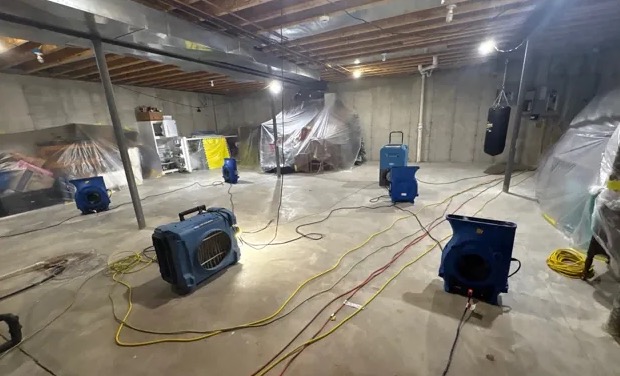
Expert Basement Water Removal in Rainier, Yelm, McKenna and Tenino
In Rainier, a finished basement or lower level takes more work after a flood. Carpet, pad, laminate, drywall and insulation all trap water against the concrete and framing.
A single storm or burst pipe in Rainier can flood a basement. Local water damage pros serve Rainier and nearby Yelm, McKenna and Tenino, with help available around the clock.
Basement Water Removal Services in Rainier
Basement Dehumidification
Dehumidifiers run continuously during drying, and their output is checked to track how much water is still coming out of the materials.
Basement Floor Water Damage
Concrete floors are squeegeed, extracted and dried with airflow and dehumidifiers until moisture readings drop.
Basement Drying Services
After pumping, air movers and dehumidifiers dry the walls, framing and slab. Readings are taken daily until every surface is back to normal.
Basement Wall Drying
Basement walls are checked with moisture meters. Wet drywall is cut back above the water line, and insulation behind it is removed.
Emergency Basement Flooding
Emergency response starts with making power safe, stopping the source if possible and pumping out the water.
Warning Signs You Need Basement Water Removal
Rusted Appliances or Furniture
Rust on appliance bases, furniture legs or metal shelving points to standing water or long-term dampness.
Gurgling Sounds From Drains
Gurgling floor drains or slow drains can be an early sign of a sewer line problem.
Efflorescence on Concrete Walls
White, powdery deposits on concrete walls mean water is passing through the masonry.
Soggy or Wet Carpeting
Carpet that feels damp or smells sour is holding water in the pad against the concrete.
How Basement Water Removal Works in Rainier
Step 1: Emergency Water Extraction
Power is made safe, then pumps and extractors remove standing water from the basement floor.
Step 2: Detailed Moisture Inspection
Meters map wet walls, framing and slab areas, including behind finished walls and under flooring.
Step 3: Drying and Dehumidification
Air movers and large dehumidifiers run continuously, with readings checked every day.
Step 4: Final Verification and Monitoring
Readings are compared to dry areas, and equipment is removed only when the basement tests dry.
Sources of Basement Water Problems
Sump Pump Malfunction or Power Loss
A sump pump that fails mechanically or loses power during a storm lets groundwater rise.
Clogged or Damaged Gutters
Clogged gutters and short downspouts dump roof water right next to the foundation.
High Water Table and Hydrostatic Pressure
A high water table presses groundwater against the slab and walls, forcing it inside.
Window Well Leaks and Drainage
Window wells without drains or covers fill with rain and leak through the windows.
House and Business Basement Water Removal in Rainier
Residential Basement Water Removal
Older homes with a basement may see seepage with every heavy storm. Water removal handles the current damage, and the entry point is noted for a waterproofing contractor.
Commercial Basement Water Removal
Multi-unit buildings with shared basements need each storage and laundry area pumped, dried and documented for the property manager.
Basement Water Removal vs. DIY: When to Call the Pros
Checking appliance hoses and extending downspouts away from the house are good DIY steps before storm season. Once the basement floods, call (253) 313-7886 for help.
What Influences the Price of Basement Water Removal
In Rainier, the drying phase usually costs more than the pumping, because basements need equipment running for several days.
Water Depth and Volume
Deeper water takes more pumping time and usually means more materials got wet.
Basement Square Footage
Larger basements need more extraction, more drying equipment and more days of drying.
Affected Materials
Finished walls, carpet and laminate take more removal work than bare concrete.
Does Insurance Cover Basement Water Removal?
Photos, moisture readings and drying logs from local water damage pros help support an insurance claim for basement water damage in Rainier.
Benefits of Hiring Local Pros for Basement Water Removal in Rainier
Industry Drying Standards
Water removal and drying follow industry water damage standards, with readings at every visit.
24/7 Emergency Response
Help is available day or night when water is rising in the basement.
Focus on Drying Outcomes
Drying continues until readings are normal, not just until surfaces look dry.
24/7 Basement Water Removal When You Need It
If water is near outlets, the furnace or the electrical panel, stay out of it. Call (253) 313-7886 for help in Rainier and wait for power to be made safe.
Call Now (253) 313-7886Basement Water Removal Serving Rainier and Surroundings
Nearby areas served for basement water removal include Yelm, McKenna and Tenino, with the same pumping and drying steps used in Rainier.
- Basement Water Removal in Yelm
- Basement Water Removal in McKenna
- Basement Water Removal in Tenino
- Basement Water Removal in Roy
- Basement Water Removal in Lacey
- Basement Water Removal in Tanglewilde
- Basement Water Removal in Tumwater
- Basement Water Removal in DuPont
- Emergency Damage Restoration in 98576
- Storm Damage Restoration in 98576
- Water Damage Restoration in 98576
- Water Extraction Service in 98576
- Water Leak Detection in 98576
- Water Removal Service in 98576
Frequently Asked Basement Water Removal Questions
Why is fast water removal so important for basements?
Basements dry slowly, so every hour of standing water adds drying days and more materials to replace.
How is basement wall drying done?
Wet drywall is cut back, insulation removed and directed airflow and dehumidifiers dry the studs and masonry.
Does basement flood cleanup include mold prevention?
Fast drying is the main prevention. Wood and concrete that stayed wet can be treated with an antimicrobial once dry.
What equipment is used for basement water extraction?
Submersible pumps, extractors, wet vacs, air movers, large dehumidifiers and moisture meters to confirm drying.
What should I do right after basement flooding?
Make power safe, avoid sewage, move belongings above the water, take photos and call for water removal.