Lakewood, WA · Pierce County
Desiccant Dehumidification in Lakewood, WAFirefighting Water Drying & Basement Dehumidification
After a flood, Desiccant Dehumidification in Lakewood means flood drying services, emergency dehumidification and water damage dehumidification.
Answered 24/7
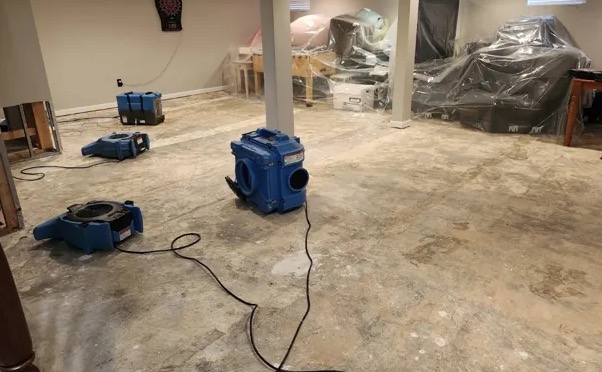
Desiccant Dehumidification Solutions in Lakewood, Washington
After a fire in Lakewood, the water used to put it out soaks rooms well beyond the burned area. That water needs to come out before rebuilding.
Homes, job sites and commercial buildings in Lakewood and nearby Steilacoom, University Place and Parkland sometimes need more drying power than standard equipment provides. Help with desiccant dehumidification covers those cases.
Specialized Desiccant Dehumidification in Lakewood, WA
Firefighting Water Drying
Firefighting water can soak several rooms at once. Large drying setups remove that moisture so repairs can begin.
Basement Dehumidification
Cool basements are where desiccant units often help most, since they keep removing moisture when the air temperature is low.
Crawl Space Drying
Water is removed from the crawl space first, then desiccant drying brings humidity down so the framing can dry.
Water Damage Dehumidification
Desiccant or refrigerant dehumidifiers are chosen based on the space, the temperature and how dry the air needs to get.
Mold Prevention Drying
In contained work areas, desiccant dehumidifiers keep the air dry while damaged materials are removed and framing is cleaned.
When to Consider Desiccant Dehumidification in Lakewood
Spongy Drywall or Soft Spots
Drywall that feels soft or spongy has absorbed water and may need removal if it does not dry.
Wet Insulation in Attics or Walls
Insulation that is wet in attics or walls holds water against framing and slows drying.
Visible Condensation on Windows
Windows that fog or drip inside show the air holds too much moisture for materials to dry.
High Humidity Readings on Meter
A hygrometer that keeps reading high humidity days after a leak shows the space is not drying.
How Desiccant Dehumidification Works in Lakewood
Step 1: Emergency Moisture Evaluation
The wet area is mapped and the right size and type of dehumidifier is chosen.
Step 2: High-Capacity Setup
Large desiccant units are placed for big spaces or cool areas where standard units struggle.
Step 3: Active Drying Cycle
Dry air is moved across wet materials, with daily readings to track progress.
Step 4: Completion and Insurance Records
Final readings and daily drying logs are compiled into a record for your insurer.
Sources of Moisture Requiring Desiccant Dehumidification in Lakewood
Severe Weather and Storm Flooding
Storms and flooding soak lower levels and leave large volumes of wet material.
Foundation Cracks and Seepage
Foundation cracks let groundwater seep into lower levels, keeping walls and floors damp.
Fire Suppression System Activation
Fire sprinklers and firefighting water soak large areas of a building at once.
Groundwater Rise After Heavy Rains
Groundwater rising after long rains keeps crawl spaces and lower levels damp.
Both Residential and Commercial Desiccant Dehumidification in Lakewood
Residential Desiccant Dehumidification
Homes with wet attics after roof leaks may need attic drying equipment placed carefully on boards for safe footing.
Commercial Desiccant Dehumidification
Schools, offices and medical buildings may schedule equipment setup and removal after hours to limit disruption to staff and visitors.
Hiring Local Pros for Desiccant Dehumidification in Lakewood
Do not run drying equipment on materials soaked by sewage or floodwater before they are cleaned or removed, since that spreads contamination through the house.
Factors in Desiccant Dehumidification Pricing for Lakewood
The cost of desiccant dehumidification in Lakewood depends on the size of the wet area, how wet the materials are and how long the equipment needs to run.
Additional Restoration Steps
Extraction, material removal and cleaning before drying are separate steps that add to the total.
Number of Dehumidifiers
The number and size of dehumidifiers needed for the space is a major part of the cost.
Time of Response
Night, weekend and holiday setup can cost more than a scheduled weekday visit.
Does Insurance Cover Desiccant Dehumidification?
Construction drying on a new build is usually a project cost rather than an insurance claim. Ask your builder how it is handled.
The Value of Local Pros for Desiccant Dehumidification in Lakewood
Desiccant Equipment
Desiccant units are used where they fit, such as cool spaces, crawl spaces and large buildings.
Large Projects
Large buildings and job sites get drying plans that keep work and business moving.
24/7 Emergency Response
Help is available day or night to set up drying equipment after a leak or flood.
Emergency Desiccant Dehumidification Response for Lakewood
Wet materials keep soaking up moisture from damp air until drying starts. Call (253) 313-7886 for desiccant dehumidification in Lakewood at any hour.
Call Now (253) 313-7886Locations for Desiccant Dehumidification Around Lakewood
Nearby areas served for desiccant dehumidification include Steilacoom, University Place and Parkland, with the same equipment and readings used in Lakewood.
- Desiccant Dehumidification in Steilacoom
- Desiccant Dehumidification in University Place
- Desiccant Dehumidification in Parkland
- Desiccant Dehumidification in Fircrest
- Desiccant Dehumidification in Midland
- Desiccant Dehumidification in DuPont
- Desiccant Dehumidification in Elk Plain
- Desiccant Dehumidification in Spanaway
- Emergency Damage Restoration in 98439
- Storm Damage Restoration in 98439
- Water Damage Restoration in 98439
- Water Extraction Service in 98439
- Water Leak Detection in 98439
- Water Removal Service in 98439
- Emergency Damage Restoration in 98496
- Storm Damage Restoration in 98496
Common Desiccant Dehumidification Questions Answered
How are moisture levels monitored during drying?
With hygrometers for air and moisture meters for drywall, wood and concrete, checked every day.
What does water damage dehumidification include?
Taking readings, placing dehumidifiers and air movers, logging progress daily and confirming materials are dry.
Can desiccant dehumidification help prevent mold?
Yes. Lowering humidity and drying materials quickly is one of the main ways to keep mold from starting.
What equipment is used for commercial building drying?
High-capacity desiccant or refrigerant dehumidifiers, air movers, moisture meters and sometimes ducting to direct dry air.
How does a desiccant dehumidifier work differently?
It passes air over a material that absorbs moisture instead of cooling the air, so it keeps working in cool conditions.