Trusted by 145+ Homeowners
HVAC Leak Water Removal in South Hill, WA
- Over 145 5-Star Reviews
- Free Estimates and Quotes
- 100% Satisfaction Guaranteed
- Child, Family & Pet Safe Steps
- 24-Hour Emergency Service
- Fully Licensed & Insured

HVAC Leak Water Removal in South Hill, WA: A Hidden Cost Homeowners Overlook
Did you know that a single HVAC leak can waste up to 1 gallon of water per hour, causing thousands of dollars in damage over the course of a year? In South Hill, WA, where the climate is already prone to moisture, HVAC leaks can be a costly and frustrating problem. If left unchecked, they can lead to mold growth, structural damage, and even safety hazards. That’s why it’s essential to address HVAC leaks quickly and properly.
Our team has helped over 165 homeowners in the area recover from HVAC leaks, and we’re committed to providing the best possible service to you. We understand the stress and financial burden that comes with water damage, and we’re here to guide you through the process with compassion and expertise.
- Fast Response Times: We respond within 60 minutes of your call to reduce damage and prevent further complications.
- Insurance-Friendly Process: We work closely with your insurance provider to ensure a smooth claims process and increase your coverage.
- Customized Solutions: We assess your unique situation and develop a tailored plan to restore your property and prevent future leaks.
How Our Team Handles HVAC Leak Water Removal
With HVAC leak water removal, every minute counts. Our team follows a strict process to ensure that your property is restored to its original condition. We begin by assessing the damage and identifying the source of the leak. Next, we use specialized equipment to extract the water and dry the affected area. Finally, we work with your insurance provider to ensure that you receive the compensation you deserve.
Step 1: Assessment and Planning
Our technicians arrive at your property and conduct a thorough assessment of the damage. We identify the source of the leak and develop a customized plan to restore your property.
Step 2: Water Extraction
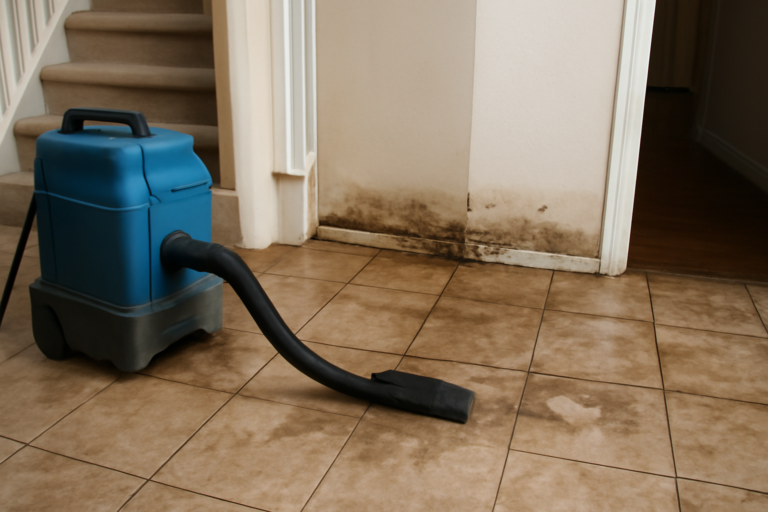
We use specialized equipment to extract the water from your property, including wet vacuums and pumps. Our goal is to remove as much water as possible to prevent further damage.
Step 3: Drying and Dehumidification
We use industrial-grade drying equipment to dry the affected area, including fans and dehumidifiers. Our goal is to prevent mold growth and ensure that your property is completely dry.
Step 4: Reconstruction and Restoration
Once the area is dry, we begin the reconstruction and restoration process. This may involve repairing or replacing damaged materials, such as drywall or flooring.
Step 5: Final Inspection and Quality Control
Our technicians conduct a final inspection to ensure that your property is restored to its original condition. We also perform quality control checks to ensure that the work meets our high standards.
Don’t wait until the damage is too extensive, call us today to schedule an appointment and take the first step towards restoring your property.

Warning Signs You Need HVAC Leak Water Removal
Ignoring the signs of an HVAC leak can lead to costly repairs and even safety hazards. Here are some warning signs to look out for:
Musty Odors That Won’t Go Away
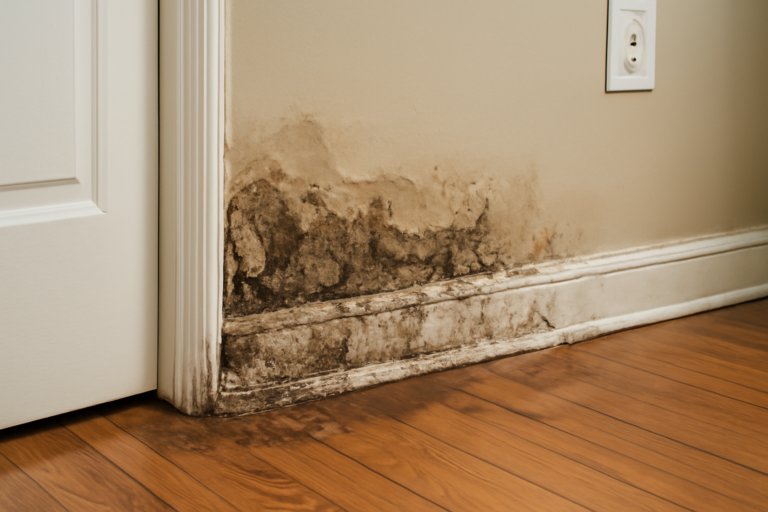
Strong, musty odors can show the presence of mold or mildew. If you notice a persistent smell, it’s essential to investigate the source and address it quickly.
Water Stains on Your Ceiling or Walls
Water stains can be a sign of a leaky HVAC system. If you notice water stains, it’s crucial to inspect the area and address the issue before it becomes a bigger problem.
High Utility Bills
Increased utility bills can be a sign of an inefficient HVAC system. If you notice a spike in your energy bills, it may be worth investigating the issue further.
Ice or Frost on Your HVAC Unit
Ice or frost on your HVAC unit can show a refrigerant leak. This can be a costly and hazardous problem if left unchecked.
Unusual Noises from Your HVAC Unit
Unusual noises from your HVAC unit can show a problem with the system. If you notice strange sounds, it’s essential to investigate the issue and address it quickly.
HVAC Leak Water Removal vs. DIY: When To Call a Professional
| Situation | DIY? | Call a Pro? | Why |
|---|---|---|---|
| Small leak with minimal damage | Yes | No | You can likely handle a small leak with minimal damage on your own. |
| Large leak with significant damage | No | Yes | A large leak with significant damage needs specialized equipment and expertise to handle safely and effectively. |
| Unknown source of the leak | No | Yes | Unless you’re a trained professional, it’s challenging to identify the source of the leak, which can lead to further damage and safety hazards. |
| Insurance claim involved | No | Yes | Our team has experience working with insurance providers and can help navigate the claims process to ensure you receive the compensation you deserve. |
| High-risk area, such as a crawl space or attic | No | Yes | These areas need specialized equipment and expertise to handle safely and effectively. |
| Previous water damage or mold growth | No | Yes | Previous water damage or mold growth needs specialized equipment and expertise to handle safely and effectively. |
Don’t risk further damage or safety hazards by trying to handle an HVAC leak on your own. Call us today to schedule an appointment and let our team handle the situation professionally and efficiently.
HVAC Leak Water Removal Cost in South Hill, WA
The cost of HVAC leak water removal in South Hill, WA, can vary depending on the severity and size of the affected area. Here are some estimated price ranges for different services:
| Service | Typical Price Range | What Affects Cost |
|---|---|---|
| Water Extraction | $500 – $2,500 | The size of the affected area and the amount of water present. |
| Drying and Dehumidification | $1,000 – $5,000 | The size of the affected area and the level of moisture present. |
| Reconstruction and Restoration | $2,000 – $10,000 | The extent of the damage and the materials required for repair. |
| Final Inspection and Quality Control | $500 – $2,000 | The complexity of the job and the level of detail required. |
| Insurance Claims Process | $0 – $1,000 | The complexity of the claim and the level of support required. |
Exact pricing will depend on an on-site assessment and consultation with our team. We offer free estimates and can help you navigate the claims process to ensure you receive the compensation you deserve.
Service Areas Near South Hill, WA
We serve the following areas:
Auburn, WA, Bellevue, WA, Bothell, WA, Burien, WA, Enumclaw, WA, Federal Way, WA, Issaquah, WA, Kent, WA, Kirkland, WA, Lakewood, WA, Maple Valley, WA, Mercer Island, WA, Olympia, WA, Puyallup, WA, Redmond, WA, Renton, WA, Sammamish, WA, SeaTac, WA, Seattle, WA, Shoreline, WA, Snoqualmie, WA, Tacoma, WA, Tukwila, WA, University Place, WA, Vancouver, WA, Walla Walla, WA, Wenatchee, WA, Yakima, WA
Common Questions About HVAC Leak Water Removal
Q: How long does it take to complete the water removal process?
A: The length of time required to complete the water removal process depends on the severity and size of the affected area. Our team works efficiently to reduce downtime and ensure that your property is restored to its original condition as quickly as possible.
Q: Will my insurance provider cover the costs of HVAC leak water removal?
A: Yes, in most cases, insurance providers cover the costs of HVAC leak water removal. Our team has experience working with insurance providers and can help navigate the claims process to ensure you receive the compensation you deserve.
Q: Can I try to handle the water removal process myself?
A: No, it’s not recommended to try to handle the water removal process yourself. Without proper training and equipment, you may risk further damage or safety hazards. Our team has the expertise and specialized equipment to handle the situation safely and efficiently.
Q: What happens if I ignore the signs of an HVAC leak?
A: Ignoring the signs of an HVAC leak can lead to costly repairs, safety hazards, and even structural damage. It’s essential to address the issue quickly and properly to prevent further complications.
Q: How can I prevent future HVAC leaks?
A: To prevent future HVAC leaks, it’s essential to regularly maintain your system, including cleaning the coils and checking for refrigerant leaks. Our team can provide you with a customized maintenance plan to ensure your system runs efficiently and safely.
Check Our Other Relevant Services
Serving South Hill, WA And Nearby Areas