Fife, WA · Pierce County
Rapid Structural Drying in Fife, WAStructural Dehumidification & Crawl Space Drying
Rapid Structural Drying in Fife includes emergency structural drying, moisture mapping services, and flood drying services.
Answered 24/7
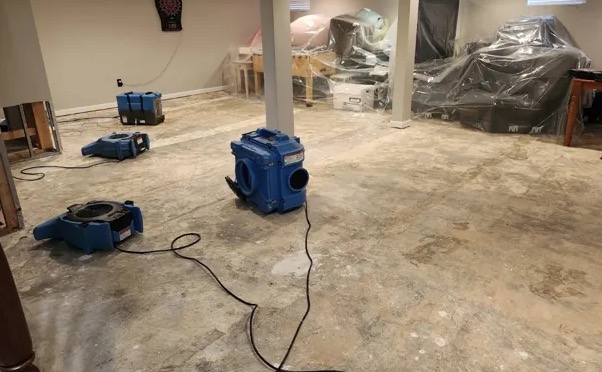
Reliable Rapid Structural Drying Available in Fife
Commercial properties have complex building assemblies that require specialized drying strategies. A fast, coordinated response minimizes downtime and limits damage.
Fast structural drying is essential for homes throughout Fife. Local moisture removal experts provide subfloor drying and crawl space drying to protect foundational elements. Services reach neighboring areas including Waller, Milton and Edgewood for broader support.
Advanced Rapid Structural Drying Processes
Structural Dehumidification
After water extraction, dehumidification tackles the remaining vapor. Structural dehumidification creates a drying gradient, pulling moisture from wet materials into the drier air.
Crawl Space Drying
Drying removes pooled water and addresses residual moisture in soil and joists with a system tailored to the space's size and conditions.
Emergency Structural Drying
Drying starts with a quick assessment and equipment placement, so moisture is pulled from walls, floors and framing before the damage spreads.
Moisture Mapping Services
Hidden water damage can undermine drying efforts. Moisture mapping services employ thermal imaging cameras and sophisticated meters to detect anomalies behind surfaces.
Concrete Slab Drying
After a major flood, a concrete floor often holds significant moisture. Drying the slab prevents future problems with flooring and humidity.
Indications for Rapid Structural Drying
High Indoor Humidity Levels
A clammy feeling in the air suggests elevated moisture that structural dehumidification equipment is designed to correct.
Water Pooling in Crawl Spaces
Standing water under your home puts floor framing at risk and needs pumping and drying.
Musty Odors in Your Home
A musty smell that will not go away usually means moisture is trapped inside walls or under floors.
Warped or Bubbling Floorboards
Hardwood floors that buckle or cup have taken on moisture from below, usually from a wet subfloor.
How Rapid Structural Drying Works in Fife
Step 1: Emergency Assessment and Moisture Mapping
Local moisture removal experts first perform a detailed inspection using moisture meters and thermal imaging to create a precise moisture map of all affected structural areas.
Step 2: Strategic Flood Drying Setup
Based on the moisture map, air movers and dehumidifiers are placed where they dry the wet materials fastest.
Step 3: Targeted Cavity and Subfloor Drying
Hidden moisture in walls and subfloors is dried with injection systems or drying mats, without tearing out the finishes.
Step 4: Verification and Structural Dehumidification
Pros check moisture levels with meters and adjust equipment until all materials meet dry targets.
What Leads to Needing Rapid Structural Drying
Clogged Gutters and Downspouts
When gutters overflow, water pools against the foundation and can seep into crawl spaces, slabs and lower walls.
Landscaping or Grading Problems
Improper yard slope can direct water toward a foundation, leading to persistent dampness in slabs and crawl spaces.
Poor Ventilation in Enclosed Spaces
Inadequate airflow in crawl spaces or wall cavities traps moisture, promoting rot and mold that experts must address.
Severe Weather and Flooding
Heavy rainfall or localized flooding can overwhelm drainage, leading to water intrusion.
Both Home and Business Rapid Structural Drying
Residential Rapid Structural Drying
Homeowners face risks from hidden moisture in attics and crawl spaces. Emergency structural drying services use air scrubbers and focused drying to safeguard indoor air quality and the home's structural integrity from slow leaks.
Commercial Rapid Structural Drying
Warehouses and industrial facilities need large-scale drying for wide concrete floors. Professionals employ rapid drying strategies and moisture mapping to prevent corrosion of inventory and structural components.
Why DIY Rapid Structural Drying Often Fails
You can sweep water out of a garage or away from a foundation exterior. Inside, place aluminum foil squares on concrete slabs to test for condensation.
Factors Influencing Rapid Structural Drying Costs
Residential structural drying cost in Fife hinges on how quickly water is extracted and how many air movers and dehumidifiers are deployed. Drying a subfloor or crawl space also changes the price.
Access and Complexity
Difficult-to-reach areas like tight crawl spaces or behind finished walls add labor time to the emergency structural drying process.
Affected Structural Materials
Drying dense materials like concrete slabs or enclosed wall cavities demands specialized techniques and longer durations than drying open areas.
Moisture Mapping Scope
Detailed moisture mapping services to track drying progress across a structure require additional time and diagnostic tools from the pros.
Does Insurance Cover Rapid Structural Drying?
For flood drying services, coverage often requires a separate flood insurance policy. You need to provide this report to your insurance company and follow their specific claims process for water damage.
Benefits of Professional Rapid Structural Drying
Advanced Moisture Detection
Tools like thermal imagers and moisture meters are used for accurate moisture mapping to find hidden water.
Prevention of Mold Growth
Rapid drying helps control humidity levels, creating an environment less conducive to mold development after water intrusion.
Thorough Process Verification
Drying is monitored until moisture levels in materials meet standard dry criteria before equipment is removed.
Round-the-Clock Rapid Structural Drying Availability
Need fast structural drying services following a major leak? Contact (253) 313-7886 for 24/7 emergency assistance from the pros in your area.
Call Now (253) 313-7886Rapid Structural Drying Near Fife: Areas Served
Rapid structural drying is available for homes and businesses in Fife. The experts also serve nearby places like Waller, Milton and Edgewood.
- Rapid Structural Drying in Waller
- Rapid Structural Drying in Milton
- Rapid Structural Drying in Edgewood
- Rapid Structural Drying in Summit
- Rapid Structural Drying in Midland
- Rapid Structural Drying in Puyallup
- Rapid Structural Drying in Lake Tapps
- Rapid Structural Drying in Federal Way
- Emergency Damage Restoration in 98424
- Storm Damage Restoration in 98424
- Water Damage Restoration in 98424
- Water Extraction Service in 98424
- Water Leak Detection in 98424
- Water Removal Service in 98424
Rapid Structural Drying Information and Answers
Why is quick action critical for structural drying?
Quick action limits the extent of water absorption into materials, reduces the drying time required, and helps minimize the potential for costly repairs related to structural decay or mold.
When is crawl space drying necessary?
Crawl space drying is necessary when flooding or high humidity saturates this enclosed area, as trapped moisture can damage foundation piers, joists, and lead to mold growth throughout the home.
Can flood drying services prevent mold?
Prompt flood drying services that quickly remove water and lower humidity can significantly reduce the risk of mold growth, which often begins within 24-48 hours in damp conditions.
Why is wall cavity drying important after a leak?
Water trapped inside wall cavities can lead to hidden mold, wood rot, and compromised insulation.
What is involved in subfloor drying?
Subfloor drying involves using specialized air movers and dehumidifiers to draw moisture out of the wooden or concrete layer beneath flooring, often requiring access panels or strategic placement of equipment.