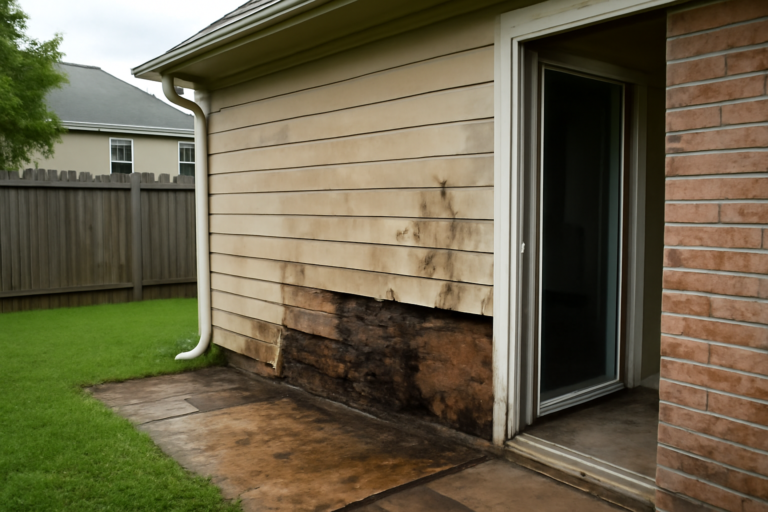
Trusted by 145+ Homeowners
Septic Tank Backup Water Removal in Grand Mound, WA
- Over 145 5-Star Reviews
- Free Estimates and Quotes
- 100% Satisfaction Guaranteed
- Child, Family & Pet Safe Steps
- 24-Hour Emergency Service
- Fully Licensed & Insured
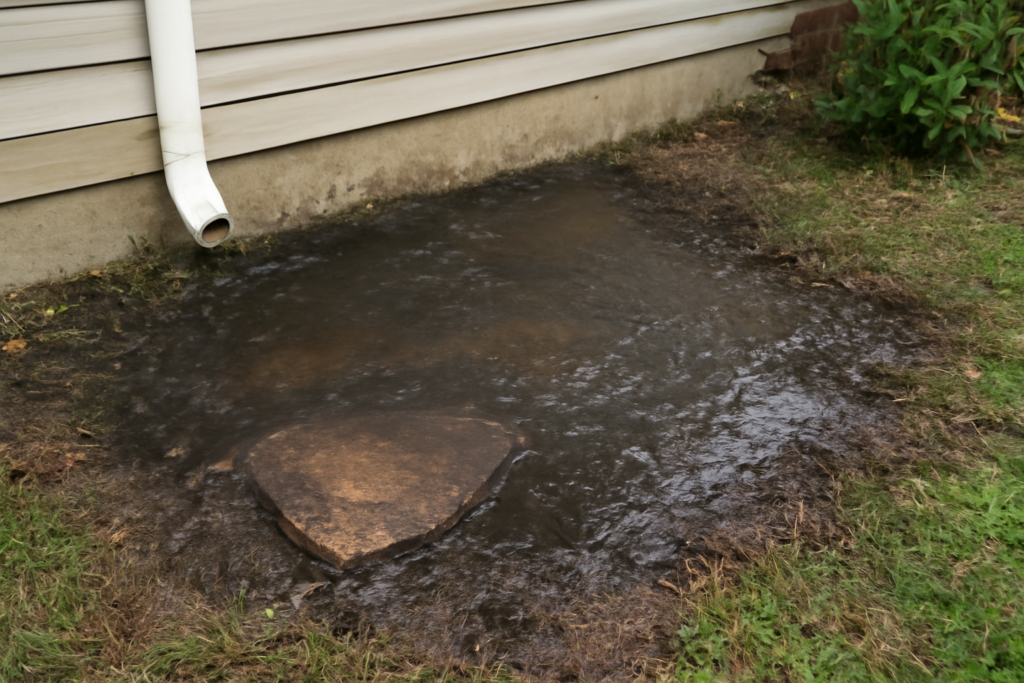
Septic Tank Backup Water Removal in Grand Mound, WA: Hidden Dangers and Unseen Costs
Did you know that nearly 25% of all homeowners in Grand Mound, WA experience septic tank backup water removal issues annually? These issues can lead to costly repairs, health risks, and even property damage. It’s essential to understand the warning signs, process, and costs associated with septic tank backup water removal to avoid these pitfalls.
Our team has helped over 165 homeowners in the area recover from septic tank backup water removal disasters. We take pride in our work, and our customers rave about our service. With IICRC certification and a 100% satisfaction guarantee, you can trust our team to get the job done right.
- Quick response times: We’ll arrive within 60 minutes of your call to assess and start the cleanup process.
- Effective equipment: Our technicians use state-of-the-art equipment to extract water and prevent further damage.
- Thorough documentation: We’ll work closely with your insurance company to ensure a smooth claims process.
How Septic Tank Backup Water Removal Works
We understand that the process of septic tank backup water removal can be overwhelming, especially if you’ve never dealt with it before. That’s why our team takes the time to explain each step of the process to you. From initial assessment to final cleanup, we’ll guide you through every stage to ensure you’re informed and prepared.
Step 1: Assessment and Inspection
Our technicians will arrive at your property to assess the damage and inspect the septic tank. They’ll identify the source of the backup and find out the best course of action. This step typically takes 30 minutes to an hour, depending on the complexity of the issue. Accurate assessment is key to preventing further damage and ensuring a successful cleanup.
Step 2: Water Extraction
Once the assessment is complete, our technicians will begin extracting water from the affected area using specialized equipment. This step can take anywhere from 1-3 hours, depending on the amount of water present. Effective water extraction is crucial to preventing mold growth and further damage.
Step 3: Drying and Dehumidification
After water extraction, our technicians will use specialized equipment to dry and dehumidify the affected area. This step can take anywhere from 2-5 days, depending on the size of the area and the severity of the damage. Proper drying is essential to preventing mold growth and ensuring a safe living environment.
Step 4: Sanitizing and Disinfecting
Once the area is dry, our technicians will use specialized equipment to sanitize and disinfect the affected area. This step is crucial to preventing the growth of bacteria and other microorganisms. Thorough sanitizing ensures a safe living environment for you and your family.
Step 5: Final Inspection and Cleanup
After sanitizing and disinfecting, our technicians will conduct a final inspection to ensure the area is safe and clean. They’ll also provide you with a comprehensive report outlining the work completed and any recommendations for future maintenance. Thorough cleanup is essential to preventing future issues and ensuring your property remains in good condition.
Don’t wait until it’s too late. Contact us today to schedule a septic tank backup water removal service and get back to normal as soon as possible.
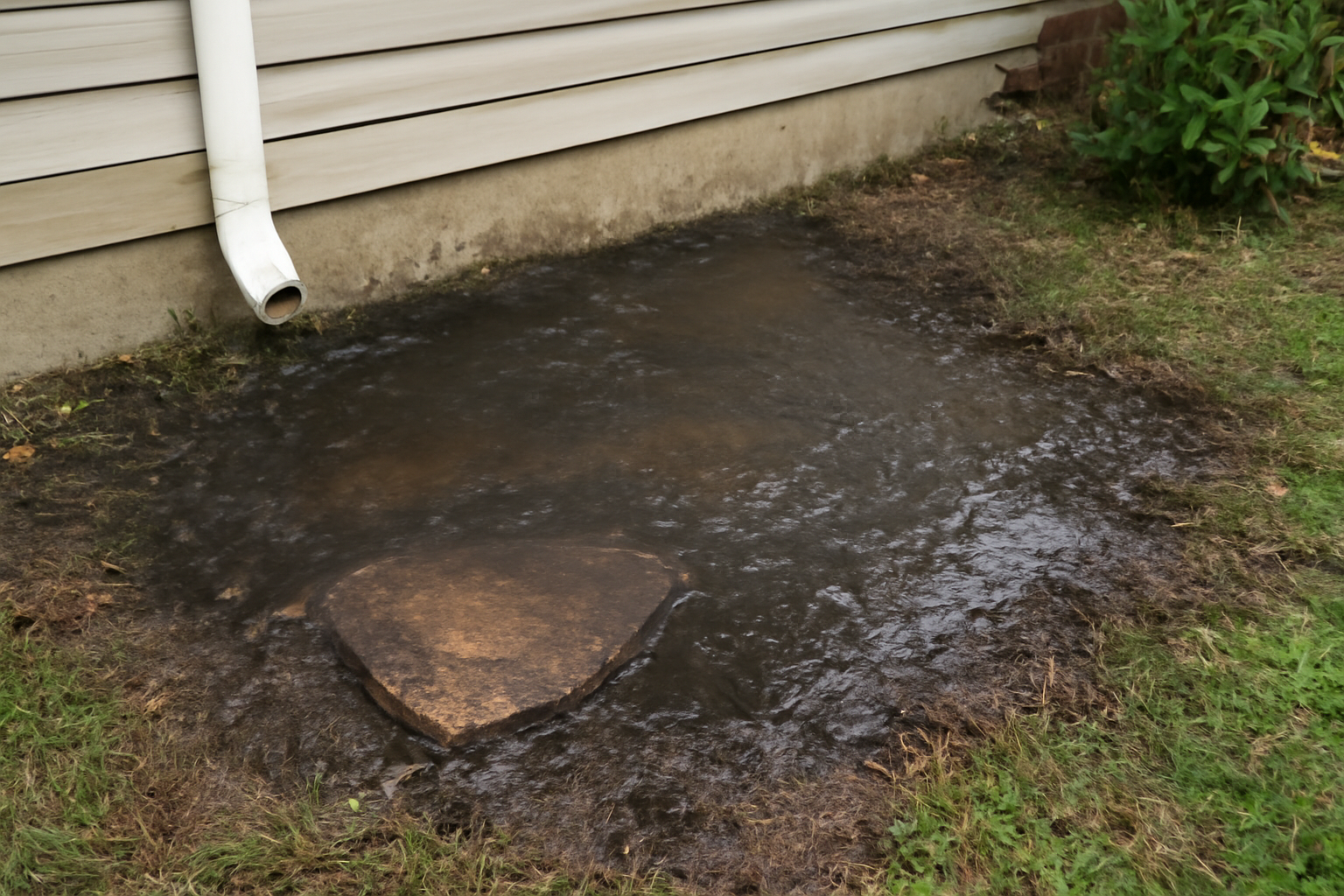
Warning Signs You Need Septic Tank Backup Water Removal
Catching septic tank backup water removal issues early on can save you thousands of dollars in repairs and prevent health risks. Here are some common warning signs to look out for:
Musty Odors That Won’t Go Away
Musty odors can show a septic tank backup issue. If you notice a persistent, unpleasant smell in your home, it’s time to investigate further. Don’t ignore the odor it can be a sign of a more serious problem.
Soggy or Spongy Flooring
Soggy or spongy flooring can show water damage from a septic tank backup. If you notice your floors are feeling soft or squishy, it’s time to act fast. Don’t delay water damage can spread quickly.
Slow Drains or Clogged Toilets
Slow drains or clogged toilets can show a septic tank backup issue. If you notice your drains are taking longer than usual to clear or your toilets are clogging frequently, it’s time to investigate further. Don’t ignore the signs a clogged septic system can lead to costly repairs.
Water Stains or Leaks
Water stains or leaks can show a septic tank backup issue. If you notice water stains on your ceiling or walls, or leaks under your sinks, it’s time to act fast. Don’t delay water damage can spread quickly.
Unpleasant Sounds or Smells Coming from Your Septic System
Unpleasant sounds or smells coming from your septic system can show a backup issue. If you notice strange noises or odors coming from your septic system, it’s time to investigate further. Don’t ignore the signs a clogged septic system can lead to costly repairs.
Unusual Bacterial Growth or Foul Odors in Your Yard
Unusual bacterial growth or foul odors in your yard can show a septic tank backup issue. If you notice unusual bacterial growth or foul odors in your yard, it’s time to investigate further. Don’t ignore the signs a clogged septic system can lead to costly repairs.
Septic Tank Backup Water Removal vs. DIY: When To Call a Professional
| Situation | DIY? | Call a Pro? | Why |
|---|---|---|---|
| Small, contained water spill | Yes | No | DIY cleanup is usually enough for small spills. |
| Large water spill or flooding | No | Yes | Large water spills need specialized equipment and expertise to prevent further damage. |
| Septic tank backup issue | No | Yes | Septic tank backup issues need specialized knowledge and equipment to prevent further damage and health risks. |
| Water damage in a sensitive area (e.g. Kitchen, bathroom) | No | Yes | Water damage in sensitive areas needs specialized care to prevent further damage and health risks. |
| Water damage in an area with electrical systems | No | Yes | Water damage in areas with electrical systems needs specialized care to prevent electrical shocks and further damage. |
Don’t risk further damage or health risks by trying a DIY cleanup. Contact us today to schedule a professional septic tank backup water removal service.
Septic Tank Backup Water Removal Cost In Grand Mound, WA
The cost of septic tank backup water removal in Grand Mound, WA can vary depending on the severity of the issue, size of the affected area, and local conditions. Our team offers competitive pricing and flexible payment options to ensure you get the help you need without breaking the bank.
| Service | Typical Price Range | What Affects Cost |
|---|---|---|
| Initial Assessment and Inspection | $100 – $500 | Severity of the issue, size of the affected area |
| Water Extraction | $500 – $2,500 | Amount of water present, size of the affected area |
| Drying and Dehumidification | $200 – $1,000 | Size of the affected area, severity of the damage |
| Sanitizing and Disinfecting | $100 – $500 | Size of the affected area, severity of the damage |
| Final Inspection and Cleanup | $100 – $500 | Size of the affected area, severity of the damage |
Exact pricing depends on an on-site assessment. Contact us today to schedule a consultation and get a free estimate.
Service Areas Near Grand Mound, WA
We serve the following areas: Aberdeen, Arletta, Centralia, Cosmopolis, Elma, Fife, Hoquiam, Lacey, Lakewood, McCleary, Oakville, Olympia, Onalaska, Parkland, Rochester, Shelton, Spanaway, Tumwater, and more.
Common Questions About Septic Tank Backup Water Removal
Q: How long does septic tank backup water removal take?
A: The time it takes to complete septic tank backup water removal depends on the severity of the issue, size of the affected area, and local conditions. Our team will provide you with a detailed timeline and schedule during the initial consultation.
Q: Is septic tank backup water removal covered by insurance?
A: Yes, septic tank backup water removal is typically covered by insurance. Our team will work closely with your insurance company to ensure a smooth claims process.
Q: How much does septic tank backup water removal cost?
A: The cost of septic tank backup water removal can vary depending on the severity of the issue, size of the affected area, and local conditions. Our team offers competitive pricing and flexible payment options to ensure you get the help you need without breaking the bank.
Q: Can I prevent septic tank backup water removal issues?
A: Yes, regular maintenance and inspections can help prevent septic tank backup water removal issues. Our team offers regular maintenance and inspection services to ensure your septic system remains in good working condition.
Check Our Other Relevant Services
Serving Grand Mound, WA And Nearby Areas