Federal Way, WA · King County
Temperature-Controlled Drying in Federal Way, WAClimate-Controlled Drying Systems & Humidity Control For Restoration
Temperature-Controlled Drying in Federal Way by local moisture control experts includes thermal drying for water damage, climate-controlled drying systems, and rapid structural drying services.
Answered 24/7
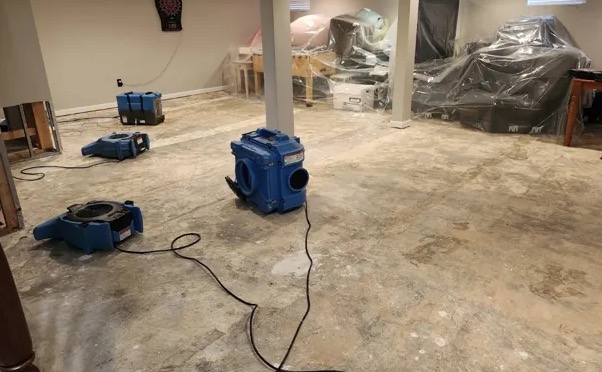
Local Temperature-Controlled Drying Solutions for Federal Way Homes
In Federal Way, moisture that dries unevenly can warp materials and leave hidden mold. Local pros control heat and airflow so drying is even and does not cause more damage.
In Federal Way and nearby Milton, Auburn and Fife, local pros map moisture in walls and subfloors, then fit thermal drying and humidity control to the materials in the building.
Temperature-Controlled Drying Services in Federal Way
Climate-Controlled Drying Systems
The experts set up systems that control temperature, humidity and airflow together, adjusting them as moisture readings change.
Humidity Control for Restoration
Dehumidifiers lower the dew point in the affected area, so materials give up their moisture more easily.
Water Damage Drying Logs
Key data like psychrometric readings and material moisture content are meticulously recorded. These logs show a clear trend toward dryness, confirming the job's success.
Moisture Mapping
Systematic testing identifies moisture content percentages in all building materials. The experts compare readings to known dry standards.
Rapid Structural Drying Services
Fast structural drying uses high-velocity air movers, industrial dehumidifiers and sometimes heat, so families in Federal Way can return home sooner and mold does not start.
Signs You Need Professional Temperature-Controlled Drying in Federal Way
Cracking of Plaster or Joints
Plaster or drywall joint tape develops new cracks or fissures. These cracks occur as wet materials swell and then contract during drying.
Soft Drywall or Sagging Ceiling
Drywall feels spongy to the touch or a ceiling sags downward. This softness means the material is saturated and structurally compromised.
High Humidity Readings Inside
A hygrometer showing unusually high indoor humidity after water damage means the building is still wet.
Equipment Running With No Result
Fans or dehumidifiers that run for days without drying the area mean the moisture is deeper than household equipment can reach.
How Temperature-Controlled Drying Works in Federal Way
Step 1: Assessment and Moisture Detection
The pros perform a thorough assessment using thermal imaging and moisture meters. This identifies the full extent of damage, guiding the drying plan.
Step 2: Containment and Airflow Strategy
Plastic barriers close off the wet area so humidity can be controlled, and air movers are placed to move air across wet materials.
Step 3: Thermal Drying System Activation
Specialized thermal drying equipment is activated to gently raise the air temperature in the space.
Step 4: Verification and Structural Drying Completion
Readings are compared with dry areas of the building to confirm drying is complete.
What Leads to Needing Temperature-Controlled Drying in Federal Way
HVAC System Condensation Issues
A clogged condensate drain line causes an overflow inside the air handler. This water can soak insulation and ductwork, creating a hidden moisture issue.
Roof Leak During Heavy Rain
Wind-driven rain through a damaged roof or flashing can run down inside wall cavities, where it needs targeted drying.
Appliance Malfunction or Overflow
A failed washing machine hose, water heater or dishwasher can release many gallons onto the floor.
Storm-Driven Water Intrusion
Heavy rain overflows gutters or gets in around windows and soaks framing and insulation.
Residential & Commercial Temperature-Controlled Drying in Federal Way
Residential Temperature-Controlled Drying
In condos and apartments, containment barriers and negative air machines keep moisture from moving into neighboring units while drying runs.
Commercial Temperature-Controlled Drying
Restaurants and food service businesses need rapid, sanitary drying to comply with health regulations after a water event. The pros use specialized equipment and antimicrobial treatments during the drying process.
Temperature-Controlled Drying: DIY Risks vs. Professional Care in Federal Way
For a small, recent water spill, use towels to blot surface water and improve air circulation with fans. If water soaks into porous materials like drywall or carpet padding, contact the experts.
Factors in Temperature-Controlled Drying Pricing for Federal Way, WA
In Federal Way, cost depends on the size of the wet area and how aggressive the drying must be.
Structural Material Types
Porous materials like concrete or dense wood require more aggressive drying strategies and extended monitoring, influencing the project timeline and cost.
Humidity Control Measures
Controlling humidity in tight spaces often takes specialized drying equipment and frequent adjustments.
Extent of Water Damage
The larger the area that needs drying, the more equipment and labor the job takes.
Does Insurance Cover Temperature-Controlled Drying?
Humidity control for restoration following a water incident might be considered under the drying portion of a claim. The pros in Federal Way provide precise documentation of the controlled drying systems used and the results achieved.
The Value of Local Moisture Control Experts for Temperature-Controlled Drying in Federal Way, WA
Targeted Thermal Drying
Applying directed heat energy safely accelerates the drying of dense materials, reducing the overall timeline for the restoration project.
Strategic Equipment Deployment
Air movers and dehumidifiers are placed according to a plan for even airflow and low humidity.
IICRC-Standard Drying Methods
Drying follows industry guidelines and is checked with meters, which keeps framing and floors from staying wet.
Emergency Temperature-Controlled Drying Response for Federal Way, WA
For temperature-controlled drying after a leak or flood, call (253) 313-7886 any time. The pros can then start drying the structure.
Call Now (253) 313-7886Temperature-Controlled Drying Near Federal Way: Communities Served
The pros dry structures and control humidity in Federal Way and communities such as Milton, Auburn and Fife.
- Temperature-Controlled Drying in Milton
- Temperature-Controlled Drying in Auburn
- Temperature-Controlled Drying in Fife
- Temperature-Controlled Drying in Des Moines
- Temperature-Controlled Drying in Edgewood
- Temperature-Controlled Drying in Kent
- Temperature-Controlled Drying in Waller
- Temperature-Controlled Drying in Lake Tapps
- Emergency Damage Restoration in 98003
- Storm Damage Restoration in 98003
- Water Damage Restoration in 98003
- Water Extraction Service in 98003
- Water Leak Detection in 98003
- Water Removal Service in 98003
- Emergency Damage Restoration in 98023
- Storm Damage Restoration in 98023
Your Temperature-Controlled Drying Questions Addressed
What materials benefit most from controlled drying systems?
Porous structural materials like drywall, wood framing, and concrete, as well as contents like documents and furniture, benefit greatly from controlled, gradual drying to prevent ruin.
What is temperature-controlled drying?
It is a drying method that controls heat and humidity together to remove moisture from building materials and contents safely and quickly.
What is the strategy behind air mover placement?
They are angled to move air across wet surfaces in a pattern, so moisture evaporates into the air where dehumidifiers can capture it.
What are water damage drying logs used for?
Drying logs are detailed records of moisture readings, equipment settings, and progress; they provide documentation for the restoration process and are often required for insurance claims.
What is the difference between air movers and dehumidifiers?
Air movers evaporate moisture from surfaces into the air, and dehumidifiers pull it back out of the air.