Lacey, WA · Thurston County
Temperature-Controlled Drying in Lacey, WAWater Damage Drying Logs & Moisture Mapping
Temperature-Controlled Drying in Lacey includes thermal drying for water damage, rapid structural drying services, and humidity control for restoration managed by local temperature-controlled drying specialists.
Answered 24/7
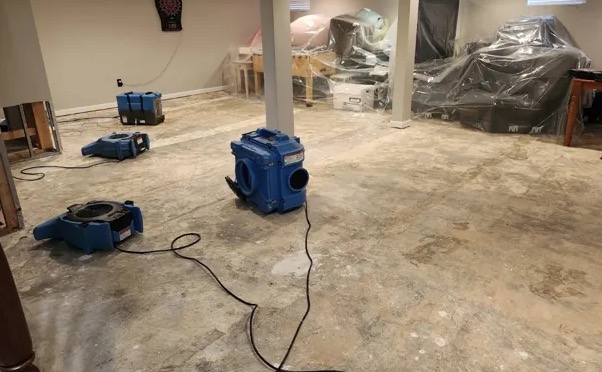
Professional Temperature-Controlled Drying in Lacey, WA
In Lacey, structural drying aims to bring materials back to their normal moisture level. Low humidity in the drying area helps pull moisture out of dense materials.
In Lacey and nearby Tanglewilde, Olympia and Tumwater, fast structural drying stops mold before it starts. Local pros map moisture, then use LGR dehumidifiers and planned air mover placement until readings are normal.
Temperature-Controlled Drying Methods Available in Lacey
Water Damage Drying Logs
Key data like psychrometric readings and material moisture content are meticulously recorded. These logs show a clear trend toward dryness, confirming the job's success.
Moisture Mapping
The specialists take regular moisture readings throughout the project. This monitoring verifies equipment performance and guides strategy adjustments.
Rapid Structural Drying Services
Rapid drying mitigates risk of long-term weaknesses or rot in wooden structures. The specialists use specialized techniques like injecting dry air into wall cavities.
Air Mover Placement for Drying
The specialists plan placement around furniture and walls, and may build air dams or blow air into cavities to cut drying time in Lacey homes.
Thermal Drying for Water Damage
The specialists raise the room temperature in a controlled way to drive moisture out of dense materials like concrete slabs and beams, watching readings the whole time.
Warning Signs Requiring Temperature-Controlled Drying in Lacey
Soft Drywall or Sagging Ceiling
Drywall feels spongy to the touch or a ceiling sags downward. This softness means the material is saturated and structurally compromised.
Visible Mold Growth in Corners
Black, green or white specks in damp corners or on baseboards are usually mold, which means moisture has been there a while.
Cracking of Plaster or Joints
Plaster or drywall joint tape develops new cracks or fissures. These cracks occur as wet materials swell and then contract during drying.
Equipment Running With No Result
Fans or dehumidifiers that run for days without drying the area mean the moisture is deeper than household equipment can reach.
How Temperature-Controlled Drying Works in Lacey
Step 1: Establishing the Drying Environment
The first step involves preparing the area by removing debris and setting up containment if needed.
Step 2: Implementing the Drying Array
Air movers and dehumidifiers are paired in a planned layout to dry walls and floors.
Step 3: Executing Temperature-Controlled Drying
The system executes temperature-controlled drying, maintaining ideal conditions to draw moisture out of materials.
Step 4: Final Verification and Documentation
Final verification compares moisture readings in affected materials to known dry standards in the home.
Common Causes Requiring Structural Drying in Lacey
Poor Ventilation After a Flood
Closing up a wet room traps humid air, which slows drying and lets moisture soak further into materials.
Overflowing Sinks or Bathtubs
A simple blockage or forgetfulness leads to an overflow event. Water spreads quickly, soaking cabinetry and flooring, and requires thorough drying equipment deployment.
Sprinkler System Activation
A fire sprinkler discharges, releasing a large volume of water quickly. This event saturates entire areas and requires precise air mover placement and strategy.
Undetected Plumbing Leaks
A slow drip behind a wall or under a slab saturates materials over time.
Whole-Property Temperature-Controlled Drying in Lacey
Residential Temperature-Controlled Drying
At home, moisture hides in attics, crawl spaces and behind finished walls. Pros map it before setting up equipment so the whole house dries.
Commercial Temperature-Controlled Drying
In offices, schools and clinics, pros use quieter drying equipment that can run in occupied spaces, and document when drying is complete.
Professional Temperature-Controlled Drying vs. Do-It-Yourself in Lacey
For a small, recent water spill, use towels to blot surface water and improve air circulation with fans. If water soaks into porous materials like drywall or carpet padding, contact the experts.
Factors in Temperature-Controlled Drying Pricing for Lacey, WA
In Lacey, the cost depends on how much drying equipment is used and how long it runs, plus the moisture readings taken along the way.
Equipment Needs
The number and type of air movers, dehumidifiers and heaters used affect the cost.
Moisture Mapping Complexity
Checking moisture in layered floors or hidden cavities takes more time and equipment.
Drying Time Required
Longer drying periods for climate-controlled systems mean more equipment runtime and monitoring, impacting the overall cost of the restoration project.
Does Insurance Cover Temperature-Controlled Drying?
Insurance may help pay for drying if the cause is a covered loss. Pros provide moisture maps and equipment records for your insurer, which makes the coverage decision.
Advantages of Hiring Local Specialists in Lacey for Temperature-Controlled Drying
Advanced Moisture Mapping
Moisture meters and thermal cameras find hidden wet pockets so every affected material is dried.
Climate-Controlled Drying Systems
Heat and humidity are kept at set levels so materials dry faster without cracking or warping.
IICRC-Standard Drying Methods
Drying follows industry guidelines and is checked with meters, which keeps framing and floors from staying wet.
24/7 Emergency Temperature-Controlled Drying in Lacey
Wet walls and floors keep getting worse until they are dried. Call local pros at (253) 313-7886 to set up drying equipment.
Call Now (253) 313-7886Temperature-Controlled Drying for Lacey and Surrounding Regions
Temperature-controlled drying is available for homes in Lacey and nearby places like Tanglewilde, Olympia and Tumwater.
- Temperature-Controlled Drying in Tanglewilde
- Temperature-Controlled Drying in Olympia
- Temperature-Controlled Drying in Tumwater
- Temperature-Controlled Drying in Nisqually
- Temperature-Controlled Drying in DuPont
- Temperature-Controlled Drying in Rainier
- Temperature-Controlled Drying in Yelm
- Temperature-Controlled Drying in McKenna
- Emergency Damage Restoration in 98503
- Storm Damage Restoration in 98503
- Water Damage Restoration in 98503
- Water Extraction Service in 98503
- Water Leak Detection in 98503
- Water Removal Service in 98503
- Emergency Damage Restoration in 98509
- Storm Damage Restoration in 98509
Your Temperature-Controlled Drying Questions Addressed
Is temperature-controlled drying safe for electronics or artwork?
Yes, when the pros use low heat and careful humidity control, it can be safe for drying sensitive materials and belongings.
How long does the temperature-controlled drying process take?
It depends on the damage, the materials and the conditions. Pros monitor readings and stop when moisture goals are met.
Can rapid drying technology dry a property too quickly?
Yes, excessive heat or airflow can cause surface crusting, cracking, or other material stress, which is why professional drying balances speed with material-specific safety limits.
What is the strategy behind air mover placement?
They are angled to move air across wet surfaces in a pattern, so moisture evaporates into the air where dehumidifiers can capture it.
What is the difference between air movers and dehumidifiers?
Air movers evaporate moisture from surfaces into the air, and dehumidifiers pull it back out of the air.