Trusted by 145+ Homeowners
Tile Floor Water Extraction in Des Moines, WA
- Over 145 5-Star Reviews
- Free Estimates and Quotes
- 100% Satisfaction Guaranteed
- Child, Family & Pet Safe Steps
- 24-Hour Emergency Service
- Fully Licensed & Insured

Tile Floor Water Extraction in Des Moines, WA: What to Expect
You’re walking into your bathroom, and the first thing you notice is the sound of dripping water. It’s faint at first, but it’s getting louder. You follow the sound to the tile floor, and that’s when you see it: a small puddle of water spreading rapidly. Your heart sinks as you realize you have a tile floor water extraction problem on your hands. The sooner you act, the better. Our team is here to help you navigate this process and get your home back to normal.
With over 165+ five-star reviews, you can trust our team to provide top-notch service for your tile floor water extraction needs. We’ve helped countless homeowners in the area recover from water damage, and we’re confident we can do the same for you.
- Our team uses advanced equipment to extract water from your tile floor, reducing the risk of further damage and preventing mold growth.
- We use moisture readings to find out the extent of the damage and create a customized drying plan to get your floor dry quickly and safely.
- Our containment procedures prevent water from spreading to other areas of your home, reducing the disruption to your daily life.
How Our Tile Floor Water Extraction Process Works
Our team follows a rigorous process to ensure your tile floor is restored to its original condition. We start by assessing the damage and creating a customized plan to extract the water, dry the floor, and prevent further damage.
Step 1: Assessment and Planning
Our team arrives at your home, assesses the damage, and creates a customized plan to extract the water and dry the floor. We use advanced equipment to detect moisture levels and find out the best course of action. This step typically takes around 30 minutes to an hour.
Step 2: Water Extraction
We use specialized equipment to extract the water from your tile floor, reducing the risk of further damage and preventing mold growth. This step can take anywhere from 2-6 hours, depending on the extent of the damage.
Step 3: Drying and Dehumidification
We use specialized equipment to dry and dehumidify the affected area, preventing further damage and mold growth. This step typically takes 3-5 days, depending on the humidity levels in your home.
Step 4: Cleaning and Sanitizing
Once the floor is dry, we clean and sanitize the area to prevent any remaining bacteria or mold from growing. This step typically takes around 1-2 hours.
Step 5: Final Inspection and Touch-ups
Our team conducts a final inspection to ensure the floor is dry and there are no remaining issues. We make any necessary touch-ups to ensure your floor is restored to its original condition.
Don’t wait any longer to get your tile floor water extraction problem under control. Call us today to schedule a free estimate and get started on the road to recovery.

Warning Signs You Need Tile Floor Water Extraction
Ignoring these warning signs can lead to costly repairs and even health hazards. Don’t wait until it’s too late, catch these signs early and get the help you need.
Musty Odors That Won’t Go Away
That pungent smell in your bathroom or kitchen is more than just a nuisance, it’s a sign of a bigger problem. Mold and mildew are growing, and if you don’t act fast, they can spread to other areas of your home.
Warped or Buckled Flooring
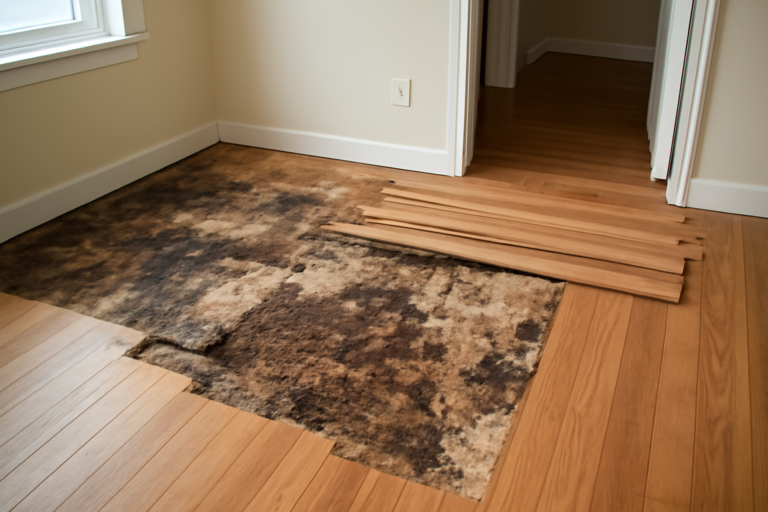
When your tile floor starts to warp or buckle, it’s a sign that the water damage is more extensive than you think. Don’t delay, get our team on the scene to extract the water and prevent further damage.
Visible Water Stains
Those ugly water stains on your ceiling or walls are more than just an eyesore, they’re a sign of a bigger problem. Water is seeping into your home, and if you don’t act fast, it can cause extensive damage.
Peeling or Cracking Paint
When your paint starts to peel or crack, it’s a sign that the water damage is affecting the underlying structure of your home. Don’t delay, get our team on the scene to extract the water and prevent further damage.
Swollen or Soft Flooring
When your tile floor starts to swell or become soft, it’s a sign that the water damage is more extensive than you think. Don’t delay, get our team on the scene to extract the water and prevent further damage.
Water Leaks Under Appliances
When you notice water leaks under your appliances, it’s a sign that the damage is more extensive than you think. Don’t delay, get our team on the scene to extract the water and prevent further damage.
Tile Floor Water Extraction vs. DIY: When to Call a Professional
| Situation | DIY? | Call a Pro? | Why |
|---|---|---|---|
| Small water spill on tile floor | Yes | No | DIY methods are enough for small spills. |
| Large water spill on tile floor | No | Yes | Large spills need specialized equipment and expertise to prevent further damage. |
| Water damage under appliances | No | Yes | Water damage under appliances needs specialized equipment and expertise to prevent further damage and ensure safety. |
| Musty odors and mold growth | No | Yes | Mold and mildew growth need specialized equipment and expertise to remove and prevent further growth. |
| Visible water stains on ceiling or walls | No | Yes | Visible water stains need specialized equipment and expertise to prevent further damage and ensure safety. |
| Peeling or cracking paint | No | Yes | Peeling or cracking paint needs specialized equipment and expertise to prevent further damage and ensure safety. |
With tile floor water extraction, don’t risk your home’s safety and integrity by trying to DIY. Our team has the expertise and equipment to get the job done right the first time.
Tile Floor Water Extraction Cost in Des Moines, WA
The cost of tile floor water extraction can vary depending on the severity of the damage, the size of the affected area, and local conditions in Des Moines, WA. Here’s a general breakdown of what you can expect to pay:
| Service | Typical Price Range | What Affects Cost |
|---|---|---|
| Water extraction | $500 – $2,500 | Size of affected area, severity of damage |
| Drying and dehumidification | $1,000 – $5,000 | Size of affected area, humidity levels in home |
| Cleaning and sanitizing | $500 – $2,000 | Size of affected area, level of contamination |
| Final inspection and touch-ups | $200 – $1,000 | Size of affected area, level of damage |
Keep in mind that these prices are estimates, and the final cost will depend on an on-site assessment. We offer free estimates to help you understand the extent of the damage and the cost of repairs.
Service Areas Near Des Moines, WA
We serve the following nearby communities: Federal Way, Auburn, Puyallup, Sumner, Orting, Pacific, Parkland, Spanaway, Fife, Milton, Edgewood, and more.
Common Questions About Tile Floor Water Extraction
Q: Will my insurance cover the cost of tile floor water extraction?
A: Yes, most insurance policies cover the cost of water damage repairs, including tile floor water extraction. But, it’s best to check with your insurance provider to confirm.
Q: How long does it take to extract water from a tile floor?
A: The time it takes to extract water from a tile floor depends on the size of the affected area and the severity of the damage. On average, it can take anywhere from 2-6 hours to complete the extraction process.
Q: Can I use a wet/dry vacuum to extract water from my tile floor?
A: No, using a wet/dry vacuum to extract water from your tile floor can actually make the problem worse. Our team uses specialized equipment designed specifically for water extraction to prevent further damage and ensure safety.
Q: How do I prevent water damage to my tile floor in the future?
A: To prevent water damage to your tile floor, make sure to regularly inspect your home for signs of water leaks, ensure proper drainage, and keep your tile floor clean and dry. It’s also a good idea to install a water sensor to alert you to any potential issues.
Q: Can I use bleach to clean and sanitize my tile floor after water damage?
A: No, using bleach to clean and sanitize your tile floor after water damage can actually make the problem worse. Our team uses specialized cleaning solutions and equipment designed specifically for water damage restoration to ensure your tile floor is safe and healthy.
Check Our Other Relevant Services
Serving Des Moines, WA And Nearby Areas