Edgewood, WA · Pierce County
Basement Water Damage Restoration in Edgewood, WABasement Water Extraction & Basement Dehumidification
Homeowners in Edgewood get Basement Water Damage Restoration for emergency basement flood cleanup, basement wall drying and basement mold prevention.
Answered 24/7
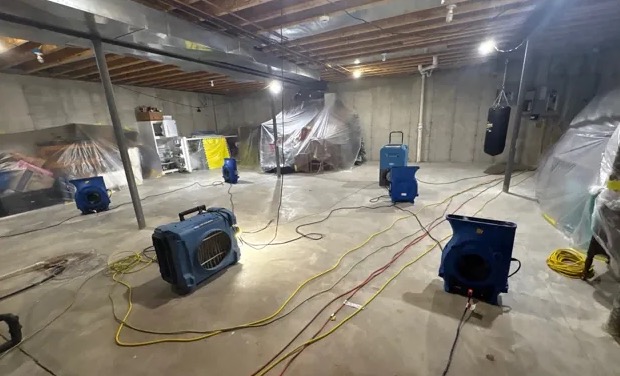
Basement Water Damage Restoration Solutions in Edgewood, Washington
A basement dries slower than any other part of a house. The air is cool, there is little sunlight and the concrete holds moisture for a long time. In Edgewood, that makes fast extraction and steady dehumidification important.
Homeowners in Edgewood can call (253) 313-7886 day or night when water is rising in the basement. Service also covers Milton, Sumner and Puyallup, with the same pumping and drying steps.
Professional Basement Water Damage Restoration Offered in Edgewood
Basement Water Extraction
Basement water is removed before drying starts, because every gallon left behind keeps the walls and air damp.
Basement Dehumidification
A basement with no moisture problem before the flood may still need a dehumidifier afterward while the concrete dries.
Basement Drying Services
Drying a basement takes longer than drying an upper floor because the air is cool and the concrete holds moisture.
Basement Wall Drying
Wet drywall is cut back above the water line when it is soaked, and the wall cavity and insulation behind it are dried or replaced.
Basement Sewer Backup Cleanup
Sewage that backs up through a floor drain or toilet is extracted with protective gear, and the area is contained from the rest of the house.
Warning Signs You Need Basement Water Damage Restoration
Rusted Appliances or Pipes
Rust on the water heater, furnace base or pipes points to repeated moisture or past flooding.
Efflorescence on Concrete Walls
White, chalky deposits on concrete walls mean water is moving through the concrete and leaving minerals behind.
Damp or Musty Odors
A damp, earthy or musty smell in the basement often means hidden moisture in walls, carpet or the slab.
Standing Water in the Basement
Any standing water on the basement floor needs pumping right away, before it soaks walls and framing.
How Basement Water Damage Restoration Works in Edgewood
Step 1: Source Control and Extraction
The pipe is shut off, the sump restarted or the backup stopped, then the water is pumped out.
Step 2: Structural Drying Setup
Lower drywall is removed where soaked, and equipment is placed to dry wall cavities and the slab.
Step 3: Contaminant Removal
Materials touched by sewage or dirty water are removed and hard surfaces are cleaned and disinfected.
Step 4: Monitoring and Completion
Daily readings track drying until every material is normal, then equipment is removed.
What Causes Basement Water Damage Restoration in Edgewood
Sump Pump Mechanical Failure
A sump pump that fails, loses power or is too small lets groundwater rise into the basement.
Sewer Line Backups
A blocked or overloaded sewer line pushes wastewater up through basement drains and toilets.
Faulty Basement Waterproofing
Old or failed waterproofing on foundation walls lets water through during wet weather.
Stormwater Runoff Into Lower Levels
Heavy rain running off hard ground or a sloped yard can pour down stairwells and under doors into below-grade rooms.
Basement Water Damage Restoration for All Properties in Edgewood
Residential Basement Water Damage Restoration
Finished basements used as living space need carpet, pad and lower drywall checked carefully. Soaked materials are removed so the walls and slab can dry.
Commercial Basement Water Damage Restoration
Businesses with below-grade storage need inventory moved out of the water quickly. Wet stock is separated and documented for insurance.
Basement Water Damage Restoration: Professional Help vs. Doing It Yourself in Edgewood
Fans alone can push damp air into the rest of the house. Basement drying needs dehumidifiers to pull the moisture out of the air and the concrete.
Understanding Basement Water Damage Restoration Pricing in Edgewood
A basement pumped and dried right away in Edgewood usually costs less than one left wet for days, when more drywall and flooring are lost.
Emergency Service
Night, weekend and storm calls can cost more than a scheduled visit.
Affected Square Footage
Larger basements need more extraction, more drying equipment and more days of drying time.
Drying Time Required
Basements dry slowly, and longer drying means more equipment days and monitoring visits.
Does Insurance Cover Basement Water Damage Restoration?
Photos, moisture readings and drying logs from local restoration pros help support an insurance claim for basement water damage in Edgewood.
The Value of Local Pros for Basement Water Damage Restoration in Edgewood
Advanced Moisture Detection
Moisture meters and thermal cameras find water in walls and slabs that looks dry.
Mold Prevention Focus
Fast drying is the main way to limit microbial growth in a below-grade space.
Containment Strategies
Plastic sheeting keeps contaminated areas separate from clean parts of the house.
Edgewood Emergency Basement Water Damage Restoration Response
Storm night, weekend or holiday, local restoration pros handle flooded basements in Edgewood. Call (253) 313-7886 to get the pumps running and the water out.
Call Now (253) 313-7886Regions Served for Basement Water Damage Restoration Near Edgewood
Besides Edgewood, the pros handle basement pumping, drying and dehumidification in nearby Milton, Sumner and Puyallup.
- Basement Water Damage Restoration in Milton
- Basement Water Damage Restoration in Sumner
- Basement Water Damage Restoration in Puyallup
- Basement Water Damage Restoration in Fife
- Basement Water Damage Restoration in Waller
- Basement Water Damage Restoration in Lake Tapps
- Basement Water Damage Restoration in South Hill
- Basement Water Damage Restoration in Federal Way
Your Basement Water Damage Restoration Questions Addressed
What is the purpose of basement wall drying?
To remove water from drywall, insulation, framing and concrete so the walls can be repaired without trapping moisture.
What are signs of hidden moisture after below-grade water extraction?
Musty smells, tide lines on walls, damp carpet edges and moisture readings that stay high in walls or the slab.
Does basement mold prevention need special steps after flooding?
Fast drying is the main step. Wood and concrete that stayed wet can be treated with an antimicrobial once dry.
What causes the most common below-grade leaks in homes?
Sump pump failures, foundation cracks, clogged drain tile, sewer backups and burst pipes in the basement ceiling.
Should I try below-grade waterproofing myself after flooding?
Sealing a small crack can be a DIY job, but drying must come first, and larger waterproofing work should go to a contractor.