Fife, WA · Pierce County
Basement Water Damage Restoration in Fife, WABasement Mold Prevention & Basement Dehumidification
Basement Water Damage Restoration in Fife runs from basement water extraction and basement floor water removal to basement dehumidification.
Answered 24/7
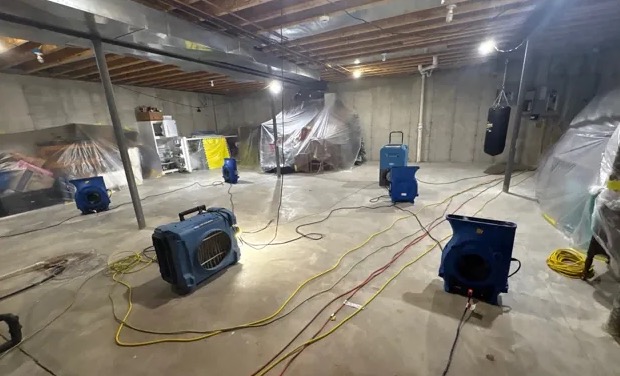
Local Basement Water Damage Restoration Near Fife
In Fife, a damp, musty basement or lower room often means water damage that was never fully dried. Old leaks can leave moisture in walls and under flooring long after the water is gone.
One burst pipe or heavy storm in Fife can flood a basement. Local water damage pros serve Fife and nearby Waller, Milton and Edgewood, with help available around the clock.
Basement Water Damage Restoration Services in Fife
Basement Mold Prevention
Keeping basement humidity low after drying helps prevent mold from returning, especially in finished spaces.
Basement Dehumidification
A basement with no moisture problem before the flood may still need a dehumidifier afterward while the concrete dries.
Basement Water Extraction
Extraction starts at the lowest point, often near the floor drain or sump, and works outward until no pooled water remains.
Basement Floor Water Removal
A slab can look dry on top while still holding water. Moisture readings show when it is ready for new flooring.
Emergency Basement Flood Cleanup
Help is available any hour when water is rising in the basement from a burst pipe, a sewer backup or heavy rain.
When to Consider Basement Water Damage Restoration for Your Fife Home
Mold on Surfaces
Dark spots on drywall, framing or stored boxes mean the area has stayed wet for days.
Sewage Odors or Backups
Sewage smells or water coming up through a floor drain mean the sewer line is backing up.
Efflorescence on Concrete Walls
White, chalky deposits on concrete walls mean water is moving through the concrete and leaving minerals behind.
Condensation on Windows or Pipes
Water beading on cold pipes or basement windows shows high humidity that keeps materials damp.
How Basement Water Damage Restoration Works in Fife
Step 1: Initial Assessment and Water Removal
The source and type of water are identified, and standing water is removed right away.
Step 2: Focused Drying of Materials
Walls, framing and the slab are dried with directed airflow, with wet insulation removed.
Step 3: Air Quality Management
Air scrubbers filter dust and odors from removal work while drying continues.
Step 4: Documentation for Restoration
Photos, readings and a list of removed materials are prepared for insurance and rebuilding.
Typical Sources of Basement Water Damage in Fife
Failed or Clogged Drain Tile
Clogged or collapsed drain tile around the foundation lets water build up against the walls.
Water Heater or Appliance Leaks
Water heaters, washers and utility sinks in the basement can leak or fail without warning.
Clogged Floor Drains
A floor drain blocked by debris cannot carry off water from a leak or overflow, so it spreads across the basement floor.
Stormwater Runoff Into Lower Levels
Heavy rain running off hard ground or a sloped yard can pour down stairwells and under doors into below-grade rooms.
Residential and Commercial Basement Water Damage Restoration in Fife
Residential Basement Water Damage Restoration
In homes, a flooded basement often means damaged carpet, drywall, a furnace or water heater and stored belongings. Water is pumped out, contents are moved and the space is dried.
Commercial Basement Water Damage Restoration
In commercial buildings, basements hold mechanical rooms, storage and sometimes offices. Water is removed and equipment areas are dried so systems can be checked and restarted.
Basement Water Damage Restoration vs. DIY: When to Call the Pros
Sewage in a basement should not be cleaned up without gloves, boots and eye protection. For any backup through a floor drain or toilet, call local water damage pros.
Basement Water Damage Restoration Cost in Fife, WA
In Fife, basement jobs often run longer than upper-floor jobs because concrete dries slowly. Equipment days make up much of the bill.
Material Saturation
Finished basements with carpet, drywall and insulation take more removal work than bare concrete.
Emergency Service
Night, weekend and storm calls can cost more than a scheduled visit.
Secondary Damage
Damage to furnaces, water heaters and belongings adds repair and replacement costs.
Does Insurance Cover Basement Water Damage Restoration?
Flood damage from rising outside water usually needs flood insurance. Water from inside the home, like a broken pipe, is more often covered.
Benefits of Local Pros for Basement Water Damage Restoration in Fife
Water Type Handling
Clean water, gray water and sewage are each handled with the right protection and removal steps.
Water Extraction First
Water is removed from floors, carpet and pad before drying starts, which shortens drying time.
Containment Strategies
Plastic sheeting keeps contaminated areas separate from clean parts of the house.
Fife Emergency Basement Water Damage Restoration Response
If water is near outlets or the electrical panel, do not walk into it. Call (253) 313-7886 for help in Fife and wait for the power to be made safe.
Call Now (253) 313-7886Local Basement Water Damage Restoration Coverage: Fife and Beyond
Help with basement water damage restoration reaches Waller, Milton and Edgewood, plus other communities around Fife, for finished and unfinished basements alike.
- Basement Water Damage Restoration in Waller
- Basement Water Damage Restoration in Milton
- Basement Water Damage Restoration in Edgewood
- Basement Water Damage Restoration in Summit
- Basement Water Damage Restoration in Midland
- Basement Water Damage Restoration in Puyallup
- Basement Water Damage Restoration in Lake Tapps
- Basement Water Damage Restoration in Federal Way
- Emergency Damage Restoration in 98424
- Storm Damage Restoration in 98424
- Water Damage Restoration in 98424
- Water Extraction Service in 98424
- Water Leak Detection in 98424
- Water Removal Service in 98424
Your Basement Water Damage Restoration Questions Addressed
What equipment is used for below-grade water damage repair?
Submersible pumps, extractors, air movers, large dehumidifiers, moisture meters and air scrubbers for dust and odor.
What causes the most common below-grade leaks in homes?
Sump pump failures, foundation cracks, clogged drain tile, sewer backups and burst pipes in the basement ceiling.
How soon should I call for basement water extraction after a leak?
Right away. Water wicks up drywall and soaks framing within hours, and below-grade spaces are slow to dry.
What health risks come with delayed basement flood cleanup?
Standing water and wet materials can support bacteria and microbial growth, and sewage carries contaminants that need disinfection.
What does below-grade moisture removal include beyond pumping?
Extracting carpet and pad, opening wet walls, running air movers and dehumidifiers, and checking readings until dry.