Gig Harbor, WA · Pierce County
Rapid Structural Drying in Gig Harbor, WAEmergency Structural Drying & Wall Cavity Drying
Rapid Structural Drying in Gig Harbor includes emergency structural drying, moisture mapping services, and flood drying services.
Answered 24/7
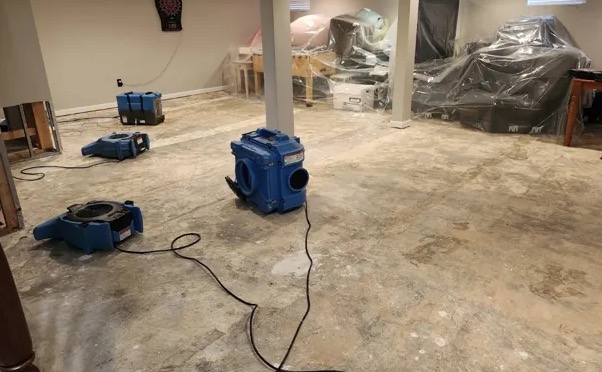
Local Rapid Structural Drying for Gig Harbor Homes and Businesses
Water intrusion from plumbing failures or weather events threatens structural integrity in any property. Untreated moisture leads to wood rot, mold growth and compromised building materials.
Residential structural drying in Gig Harbor focuses on protecting family homes from water-related deterioration. Local moisture removal experts perform flood drying services and moisture mapping services as part of a full response. Coverage includes areas around Artondale, University Place and Fircrest for convenient access.
Rapid Structural Drying Methods and Techniques
Emergency Structural Drying
A sudden water event requires an immediate drying protocol. High-capacity dehumidifiers then work to pull moisture from the air and structural components, starting the recovery process.
Wall Cavity Drying
Addressing moisture within walls involves specific drying methods for studs and insulation. Moisture meters track progress, verifying that wall cavities are dry before any restoration work in Gig Harbor.
Structural Dehumidification
After water extraction, dehumidification tackles the remaining vapor. Structural dehumidification creates a drying gradient, pulling moisture from wet materials into the drier air.
Moisture Mapping Services
Knowing where moisture hides is essential. Moisture mapping involves systematic checks of walls, floors, and ceilings to document saturation levels.
Crawl Space Drying
Damp crawl spaces promote wood rot, mold, and musty odors. Drying addresses standing water and high humidity with extraction, ventilation, and industrial dehumidification to create a dry, stable environment.
When Rapid Structural Drying is needed
Squeaking or Soft Floor Areas
Unusual noises or soft spots when walking indicate compromised subflooring from water damage that needs assessment.
Visible Water Stains on Walls
Yellow or brown stains on drywall or ceilings mean water got into the material and may still be inside.
Warped or Bubbling Floorboards
Hardwood floors that buckle or cup have taken on moisture from below, usually from a wet subfloor.
Soggy or Spongy Drywall
Drywall that feels soft to the touch has absorbed a lot of water and needs drying right away.
How Rapid Structural Drying Works in Gig Harbor
Step 1: Emergency Response and Moisture Detection
Local structural drying pros use meters and thermal cameras to find all wet areas and decide which to dry first.
Step 2: Setup of Airflow and Dehumidification
A balanced system of airflow and structural dehumidification is established to pull moisture from materials and condense it out of the air.
Step 3: Specialized Drying for Concrete and Cavities
Specialized techniques like concrete slab drying and forced cavity drying are applied to address moisture trapped in the most challenging structural components.
Step 4: Final Structural Integrity Confirmation
Final moisture readings are recorded for each area to confirm the structure is dry before repairs begin.
Common Causes Requiring Rapid Structural Drying in Gig Harbor
Clogged Gutters and Downspouts
When gutters overflow, water pools against the foundation and can seep into crawl spaces, slabs and lower walls.
Poor Ventilation in Enclosed Spaces
Inadequate airflow in crawl spaces or wall cavities traps moisture, promoting rot and mold that experts must address.
Appliance Malfunctions and Leaks
Faulty water heaters, washing machines, or dishwashers can leak slowly, causing hidden damage in walls and floors over time.
HVAC System Condensation Issues
Clogged drain lines or faulty condensate pumps from air handlers can cause significant water damage inside walls and ceilings.
Residential and Commercial Rapid Structural Drying in Gig Harbor
Residential Rapid Structural Drying
In homes, rapid structural drying targets moisture trapped in walls, under floors, and in crawl spaces after a leak.
Commercial Rapid Structural Drying
For businesses, commercial structural drying minimizes downtime after water damage. The pros focus on large-scale moisture removal from concrete slabs, interior wall cavities, and office subfloors using high-capacity equipment to get operations back to normal swiftly.
Professional Rapid Structural Drying vs. DIY Methods
You can use a wet-dry vacuum to remove standing water from hard surface floors. Be sure to document the damage with photos for your insurance claim.
Rapid Structural Drying Cost in Gig Harbor, WA
Residential structural drying cost in Gig Harbor hinges on how quickly water is extracted and how many air movers and dehumidifiers are deployed. Drying a subfloor or crawl space also changes the price.
Water Contamination Category
Clean water from a broken pipe is simpler to address than contaminated flood water, which requires more extensive safety and drying protocols.
Access and Complexity
Difficult-to-reach areas like tight crawl spaces or behind finished walls add labor time to the emergency structural drying process.
Secondary Damage Prevention
Efforts to prevent mold growth during the drying process, such as applying antimicrobials, can be a factor in the service cost.
Does Insurance Cover Rapid Structural Drying?
Whether insurance covers emergency structural drying in Gig Harbor is determined by your specific policy language. It is essential to confirm coverage details with your insurance provider before authorizing any major work.
The Importance of Expert Rapid Structural Drying
Detailed Documentation for Claims
Comprehensive logs of moisture readings and photos are taken to document the damage for insurance purposes.
Industrial-Grade Drying Equipment
High-capacity air movers and dehumidifiers dry crawl spaces and concrete slabs, which hold water longest.
Advanced Moisture Detection
Tools like thermal imagers and moisture meters are used for accurate moisture mapping to find hidden water.
Round-the-Clock Rapid Structural Drying Availability
After a burst pipe or flood in Gig Harbor, call (253) 313-7886 any time, day or night, so drying can start before materials soak further.
Call Now (253) 313-7886Rapid Structural Drying Near Gig Harbor: Areas Served
Effective rapid structural drying protects the integrity of buildings in Gig Harbor. The pros provide specialized drying for affected areas, offering services to Gig Harbor and surrounding communities including Artondale, University Place and Fircrest.
- Rapid Structural Drying in Artondale
- Rapid Structural Drying in University Place
- Rapid Structural Drying in Fircrest
- Rapid Structural Drying in Vashon
- Rapid Structural Drying in Steilacoom
- Rapid Structural Drying in Port Orchard
- Rapid Structural Drying in Lakewood
- Rapid Structural Drying in Fife
- Emergency Damage Restoration in 98329
- Storm Damage Restoration in 98329
- Water Damage Restoration in 98329
- Water Extraction Service in 98329
- Water Leak Detection in 98329
- Water Removal Service in 98329
- Emergency Damage Restoration in 98332
- Storm Damage Restoration in 98332
Frequently Asked Rapid Structural Drying Questions
What is structural dehumidification?
Structural dehumidification uses large-capacity dehumidifiers to lower the overall humidity within a building's structure, aiding the drying of materials and helping to prevent secondary water damage like mold.
What is involved in subfloor drying?
Subfloor drying involves using specialized air movers and dehumidifiers to draw moisture out of the wooden or concrete layer beneath flooring, often requiring access panels or strategic placement of equipment.
How long does concrete slab drying typically take?
Concrete slab drying time varies with thickness and saturation but often takes several days, as dense concrete releases moisture slowly, requiring sustained use of industrial dehumidifiers and air circulation.
Why is quick action critical for structural drying?
Quick action limits the extent of water absorption into materials, reduces the drying time required, and helps minimize the potential for costly repairs related to structural decay or mold.
How does drying differ for residential structural drying?
Residential structural drying often involves navigating living spaces, personal belongings, and varied construction materials, with a focus on restoring habitability and protecting the home's value.